Embark on a journey towards sustainable living with energy efficient home exteriors. Discover the benefits, design tips, and sustainable materials that can transform your home into an eco-friendly haven.
Learn how to reduce utility bills, enhance curb appeal, and make environmentally conscious choices for a greener future.
Importance of Energy-Efficient Home Exteriors
Energy-efficient home exteriors play a crucial role in reducing energy consumption and environmental impact while providing numerous benefits for homeowners.
Benefits of Energy-Efficient Home Exteriors
- Lower Utility Bills: By improving insulation and using energy-efficient materials, homeowners can reduce heating and cooling costs significantly.
- Reduced Environmental Impact: Energy-efficient exteriors help lower carbon emissions and contribute to a more sustainable environment.
- Increased Comfort: Well-insulated exteriors can maintain a consistent temperature inside the home, enhancing comfort levels for occupants.
Eco-Friendly Materials and Technologies
- Solar Panels: Harnessing solar energy can provide renewable electricity for the home, reducing dependence on grid power.
- Energy-Efficient Windows: Double or triple-pane windows with low-E coatings help prevent heat loss in winter and heat gain in summer.
- Insulation: High-quality insulation materials like spray foam or cellulose can improve energy efficiency by reducing heat transfer.
Designing Energy-Efficient Home Exteriors
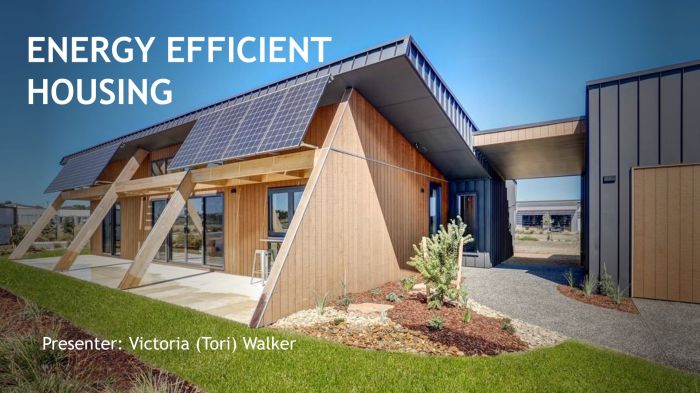
When it comes to designing energy-efficient home exteriors, there are several key factors to consider that can help maximize energy savings and overall sustainability. One of the most important aspects of energy-efficient design is ensuring proper insulation throughout the exterior of the home.
Insulation plays a crucial role in maintaining a consistent indoor temperature, reducing energy consumption for heating and cooling, and ultimately lowering utility bills. Additionally, choosing energy-efficient windows and doors can also have a significant impact on the overall energy efficiency of a home.
Role of Insulation in Creating an Energy-Efficient Home Exterior
Proper insulation is essential for creating an energy-efficient home exterior. Insulation helps to minimize heat transfer through walls, floors, and ceilings, keeping the indoor temperature stable and reducing the need for heating and cooling. By effectively insulating the exterior walls, roof, and foundation of a home, homeowners can significantly improve energy efficiency and reduce energy costs.
Investing in high-quality insulation materials and ensuring proper installation are key steps in creating a well-insulated home exterior.
Choosing Energy-Efficient Windows and Doors
Selecting energy-efficient windows and doors is another important consideration when designing energy-efficient home exteriors. Energy-efficient windows are designed to minimize heat transfer and reduce air leakage, helping to maintain a comfortable indoor temperature and improve overall energy efficiency. Look for windows with low U-values and high energy performance ratings to ensure maximum energy savings.
Similarly, energy-efficient doors with proper sealing and insulation can help prevent drafts and improve the overall energy efficiency of a home. Consider investing in windows and doors that are ENERGY STAR certified for optimal energy performance.
Sustainable Materials for Energy-Efficient Exteriors
When it comes to creating energy-efficient exteriors for homes, choosing sustainable materials is crucial. These materials not only help in reducing energy consumption but also have a lower impact on the environment compared to traditional materials.Recycled wood and composite siding are excellent choices for energy-efficient exteriors.
Recycled wood is sourced from reclaimed or salvaged wood materials, which helps in reducing the demand for new timber and prevents deforestation. Composite siding, made from a combination of wood fibers and recycled plastics, is durable and low-maintenance, making it a sustainable option for exterior cladding.
Green Roofing Materials
Using green roofing materials is another way to enhance the energy efficiency of a home. Green roofs are designed to absorb heat, provide insulation, and reduce stormwater runoff. Materials like living plants, grass, or moss can be used to cover the roof, creating a natural barrier that helps in regulating indoor temperatures and reducing the need for heating and cooling.Overall, choosing sustainable materials for energy-efficient exteriors not only benefits the environment but also contributes to creating a healthier and more comfortable living space for homeowners.
Enhancing Curb Appeal with Energy Efficiency
When it comes to enhancing the curb appeal of a home, it is essential to do so while maintaining energy efficiency. By incorporating energy-efficient elements into the exterior design, you can create a visually appealing home that is also sustainable and environmentally friendly.
Landscaping Techniques for Energy Efficiency
Landscaping plays a crucial role in energy efficiency by providing shade, reducing heat gain, and improving insulation. Here are some landscaping techniques that can contribute to energy efficiency:
- Planting deciduous trees strategically to provide shade in the summer and allow sunlight in the winter.
- Using native plants that require less water and maintenance, reducing the need for irrigation.
- Creating windbreaks with shrubs or bushes to reduce heat loss in the winter and lower cooling costs in the summer.
Incorporating Energy-Efficient Lighting
Lighting is an important aspect of exterior design that can enhance curb appeal while also being energy-efficient. Here are some ideas for incorporating energy-efficient lighting into your home's exterior:
- Use LED lights for pathways, landscaping, and outdoor fixtures to save energy and reduce electricity costs.
- Install motion sensor lights that only turn on when needed, increasing security and saving energy.
- Consider solar-powered lights for outdoor lighting to harness renewable energy and reduce reliance on traditional electricity sources.
Closure
Elevate your home with energy efficiency while contributing to a healthier planet. From insulation to landscaping, every detail counts in creating a sustainable and stylish living space. Dive into the world of energy efficient home exteriors and make a lasting impact today.
Query Resolution
How can energy-efficient home exteriors help reduce utility bills?
Energy-efficient exteriors provide better insulation, reducing the need for heating and cooling, hence lowering energy consumption.
What are some sustainable materials suitable for energy-efficient exteriors?
Materials like recycled wood, composite siding, and green roofing options are ideal choices for energy-efficient exteriors.
How can landscaping contribute to energy efficiency in home exteriors?
Strategic placement of trees and shrubs can provide shade in summer, reducing the need for excessive cooling, thus improving energy efficiency.