Metal siding for houses offers a myriad of advantages that go beyond just aesthetics. From enhanced durability to energy efficiency, this versatile material provides homeowners with a practical and stylish solution for their exterior needs. Let's delve into the world of metal siding and uncover the key benefits that make it a popular choice among modern homeowners.
As we navigate through the different types of metal siding, explore the installation process, and understand how to properly maintain this material, you'll gain a comprehensive understanding of why metal siding is a top contender in the realm of home exteriors.
Benefits of Metal Siding
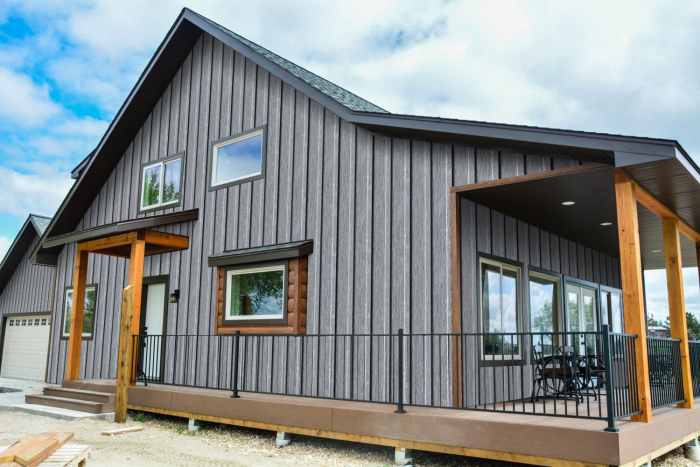
Metal siding offers a variety of benefits for houses, making it a popular choice among homeowners looking for durability, energy efficiency, and low maintenance requirements.
Durability of Metal Siding
Metal siding is known for its exceptional durability, standing up well to harsh weather conditions such as heavy rain, snow, and strong winds. Unlike other materials like wood or vinyl, metal siding does not rot, warp, or crack over time, ensuring long-lasting protection for your home.
Enhanced Energy Efficiency
Metal siding can also help enhance the energy efficiency of your home. With proper insulation and installation, metal siding can act as a barrier against heat loss in the winter and heat gain in the summer, reducing the strain on your heating and cooling systems and potentially lowering your energy bills.
Low Maintenance Requirements
Compared to other siding materials, metal siding requires minimal maintenance. It does not need to be painted as frequently as wood siding, and it is resistant to pests such as termites. Simply washing the metal siding with a mixture of water and mild detergent occasionally can help keep it looking new for years to come.
Types of Metal Siding
Metal siding for houses comes in various materials, each with its unique features and benefits. Let's compare and contrast different types of metal siding materials, explore the aesthetic options available, and discuss the cost implications of choosing different types.
Aluminum Siding
Aluminum siding is lightweight, durable, and resistant to corrosion. It is available in a wide range of colors, textures, and finishes, allowing homeowners to achieve their desired look. While aluminum siding is relatively affordable compared to other metal options, it may dent easily and require more maintenance over time.
Steel Siding
Steel siding is incredibly strong and resistant to impact, making it an excellent choice for areas prone to harsh weather conditions. It offers superior durability and requires minimal maintenance. Steel siding comes in various colors and finishes, including options that mimic the look of wood or stone.
However, steel siding can be more expensive than aluminum siding.
Copper Siding
Copper siding is known for its luxurious appearance and natural patina that develops over time, giving homes a unique and elegant look. While copper siding is more expensive upfront, it is extremely durable and requires little maintenance. Homeowners looking for a high-end, timeless aesthetic may opt for copper siding.
Installation Process
Metal siding installation on a house involves several steps to ensure a secure and durable finish. Proper insulation and moisture barriers are essential components that should not be overlooked during the installation process.
Steps for Installing Metal Siding
- Prepare the Surface: Clean and inspect the exterior of the house to ensure it is free of debris and damage.
- Measure and Cut: Measure the dimensions of the walls and cut the metal siding panels to fit accordingly.
- Install Insulation: Properly install insulation to improve energy efficiency and provide a barrier against moisture.
- Attach the Siding: Secure the metal siding panels to the exterior of the house using the appropriate fasteners.
- Add Trim and Accessories: Complete the look by adding trim pieces and any desired accessories to finish the installation.
Importance of Insulation and Moisture Barriers
Proper insulation helps regulate temperature inside the house and reduces energy costs
Tips for DIY Installation vs. Hiring Professionals
- DIY Installation: Ensure you have the necessary tools and skills before attempting to install metal siding yourself. Follow manufacturer guidelines and take your time to avoid mistakes.
- Hiring Professionals: Consider hiring experienced professionals for a seamless and efficient installation process. They have the expertise to handle any challenges that may arise during the project.
Maintenance and Care
Metal siding is known for its durability and low maintenance requirements, but regular care is still necessary to keep it looking its best and functioning properly. Here are some tips on how to maintain and care for your metal siding effectively.
Regular Maintenance
- Inspect the siding regularly for any signs of damage, such as dents, scratches, or rust.
- Trim any overhanging branches or foliage that may be rubbing against the siding and causing damage.
- Keep the siding clean by washing it with a mild detergent and water at least once a year.
- Check the caulking and seals around windows, doors, and other openings to ensure they are intact and watertight.
Cleaning Metal Siding
To clean metal siding effectively without causing damage, follow these steps:
- Start by rinsing the siding with a garden hose to remove any loose dirt or debris.
- Mix a solution of mild detergent and water in a bucket.
- Use a soft-bristled brush or a cloth to scrub the siding with the detergent solution.
- Rinse the siding thoroughly with clean water to remove any soap residue.
- Avoid using abrasive cleaners, steel wool, or harsh chemicals that can scratch or corrode the metal.
Common Issues and Repairs
Over time, metal siding may experience common issues that require repairs. Here are some common problems and how to address them:
- Rust: If you notice rust on your metal siding, sand the affected area, apply a rust-inhibiting primer, and paint over it to prevent further corrosion.
- Dents or Scratches: Minor dents or scratches can be repaired using a metal-friendly filler and touch-up paint.
- Loose Panels: Secure loose panels by tightening screws or nails and adding caulk or sealant to prevent water infiltration.
Epilogue
In conclusion, metal siding for houses is not just a functional choice but a design statement that can elevate the look and feel of any home. With its durability, energy efficiency, and low maintenance requirements, metal siding proves to be a reliable and long-lasting option for homeowners looking to enhance their property's exterior.
Dive into the world of metal siding and transform your house into a sleek and modern masterpiece.
Essential FAQs
What are the benefits of choosing metal siding for houses?
Metal siding offers exceptional durability, enhances energy efficiency, and requires minimal maintenance compared to other materials.
What types of metal siding materials are available?
Common types include aluminum, steel, and copper, each with unique characteristics and aesthetic options.
How do you maintain metal siding effectively?
Regular cleaning and inspections are key, using mild detergent and water to clean and prevent damage.
What are some common issues that may arise with metal siding?
Issues like dents, scratches, or corrosion can occur over time, requiring repairs to maintain the siding's integrity.