Delving into real estate property management, this guide aims to provide a detailed overview of the key aspects involved in managing properties effectively. From responsibilities to essential skills, marketing strategies to legal considerations, this discussion covers it all in a clear and engaging manner.
Overview of Real Estate Property Management
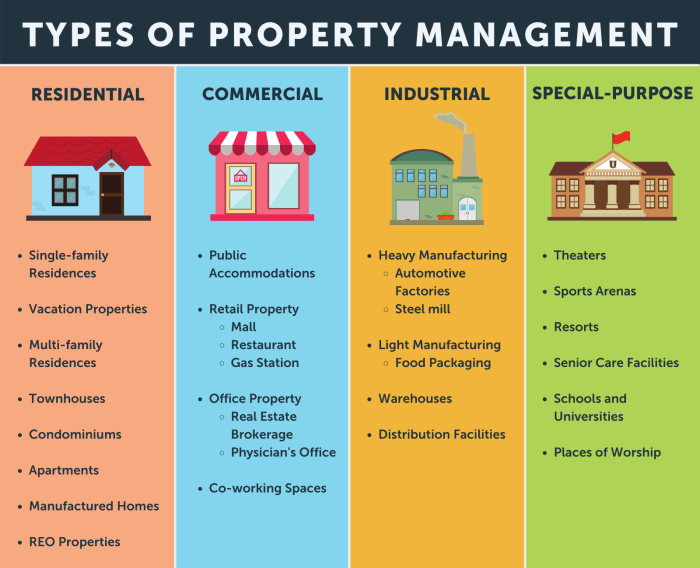
Real estate property management involves overseeing and maintaining residential, commercial, or industrial properties on behalf of the property owner. Property managers are responsible for ensuring the property is well-maintained, managing tenant relations, and handling financial aspects related to the property.
Key Responsibilities of Property Managers
- Property Maintenance: Property managers are responsible for ensuring the property is well-maintained, including repairs, landscaping, and regular inspections.
- Tenant Relations: Property managers handle all interactions with tenants, including leasing, rent collection, addressing tenant concerns, and enforcing lease agreements.
- Financial Management: Property managers oversee the financial aspects of the property, including setting rental rates, budgeting, and handling expenses.
- Vacancy Management: Property managers are responsible for filling vacancies, advertising the property, conducting screenings, and managing move-ins and move-outs.
Importance of Property Management in Real Estate
Effective property management is crucial in real estate for several reasons:
- Maximizing Property Value: Property managers help maintain the property's value through proper maintenance and tenant management.
- Ensuring Compliance: Property managers ensure the property complies with all legal requirements and regulations, reducing the risk of lawsuits or penalties.
- Optimizing Rental Income: Property managers work to keep the property occupied with reliable tenants, maximizing rental income for the property owner.
- Enhancing Tenant Satisfaction: By addressing tenant concerns promptly and maintaining a well-kept property, property managers help enhance tenant satisfaction and retention.
Essential Skills for Property Managers

Effective property management requires a diverse set of skills to handle various aspects of overseeing properties. Property managers play a crucial role in maintaining the value of real estate investments and ensuring the satisfaction of tenants. Here are some key skills required for successful property management:
Communication Skills
Effective communication is essential for property managers to interact with tenants, property owners, vendors, and other stakeholders. Clear and concise communication helps in resolving issues, negotiating contracts, and maintaining positive relationships. Property managers need to be able to convey information effectively through written correspondence, phone calls, and in-person meetings.
Financial Management Skills
Financial management skills are crucial for property managers to handle budgets, expenses, and rent collection efficiently. Property managers need to have a solid understanding of financial principles, such as budgeting, forecasting, and financial reporting. They must be able to analyze financial data, identify trends, and make informed decisions to maximize the profitability of the properties they manage.
Property Marketing and Tenant Relations
Effective marketing of rental properties is crucial to attract potential tenants and ensure a steady flow of income. Maintaining positive tenant relations is equally important to ensure tenant satisfaction and retention. Here, we will discuss strategies for marketing rental properties effectively and provide tips for handling tenant issues and conflicts.
Strategies for Marketing Rental Properties
- Utilize online platforms and social media to reach a wider audience.
- Create high-quality listings with detailed descriptions and attractive photos.
- Host open houses and property viewings to showcase the rental property.
- Collaborate with local real estate agents to expand your reach.
- Offer incentives such as move-in specials or referral bonuses to attract tenants.
Importance of Maintaining Positive Tenant Relations
Maintaining positive tenant relations can lead to long-term, reliable tenants who pay rent on time and take care of the property. It can also result in positive word-of-mouth referrals, reducing vacancies and turnover rates.
Tips for Resolving Tenant Issues and Conflicts
- Listen actively to tenant concerns and address them promptly.
- Communicate clearly and professionally to avoid misunderstandings.
- Establish clear policies and procedures for issue resolution.
- Seek mediation or arbitration for unresolved conflicts.
- Document all interactions and agreements with tenants for future reference.
Maintenance and Repairs in Property Management
Regular maintenance and timely repairs are crucial aspects of property management, ensuring the upkeep of rental properties and maximizing their value over time. Effective maintenance practices can also lead to higher tenant satisfaction and retention rates.
Importance of Regular Property Maintenance
Regular property maintenance is essential for preserving the condition of rental properties and preventing costly repairs in the long run. By addressing minor issues promptly, property managers can avoid more significant problems that may arise if maintenance is neglected. This proactive approach can also help in creating a safe and comfortable living environment for tenants.
Best Practices for Handling Repairs in Rental Properties
- Respond promptly to repair requests from tenants to show that their concerns are taken seriously and to prevent further damage.
- Work with reliable contractors and vendors who can provide quality repair services at competitive prices.
- Establish a clear communication process with tenants regarding repair procedures and timelines to manage expectations effectively.
- Maintain detailed records of all repairs and maintenance activities to track expenses and monitor the overall condition of the property.
Budgeting for Property Maintenance and Repairs
Setting aside a budget for property maintenance and repairs is essential for property managers to ensure that there are funds available when maintenance issues arise. It is recommended to allocate a percentage of the rental income for maintenance expenses and to regularly review and adjust the budget based on the property's needs and condition.
Legal Aspects and Compliance in Property Management
When it comes to property management, understanding the legal aspects and ensuring compliance with rental laws and regulations is crucial for success. Failing to adhere to these legal requirements can lead to costly consequences and potential legal disputes.
Key Legal Considerations
- Landlord-tenant laws: Familiarize yourself with the laws governing landlord-tenant relationships in your jurisdiction to avoid any violations.
- Property safety codes: Ensure that your property meets all safety and building codes to protect the well-being of your tenants.
- Lease agreements: Draft clear and comprehensive lease agreements that Artikel the rights and responsibilities of both parties.
- Eviction procedures: Understand the proper legal steps to take in the event of tenant eviction to avoid any wrongful eviction claims.
Importance of Compliance
Complying with rental laws and regulations is essential to maintain a positive landlord-tenant relationship, protect your investment, and avoid legal troubles. By staying up-to-date with the latest legal requirements, you can mitigate risks and ensure smooth property management operations.
Common Legal Issues and Solutions
- Security deposit disputes:To prevent disputes over security deposits, conduct thorough move-in and move-out inspections, document the property's condition, and follow legal procedures for handling security deposits.
- Lease violations:Address lease violations promptly by sending written notices to tenants, offering solutions to remedy the violations, and taking legal action if necessary.
- Fair housing violations:Avoid discrimination by following fair housing laws, treating all tenants equally, and providing reasonable accommodations to tenants with disabilities.
Final Thoughts
In conclusion, real estate property management is a multifaceted field that requires a blend of skills and knowledge to succeed. By understanding the intricacies of property management, individuals can navigate the challenges and opportunities within the industry with confidence and expertise.
Top FAQs
What are the key responsibilities of property managers?
Property managers are responsible for overseeing the maintenance, marketing, tenant relations, and legal compliance of rental properties.
How important is communication skills for property managers?
Communication skills are crucial for property managers to effectively interact with tenants, vendors, and other stakeholders in the real estate industry.
What are some common legal issues faced by property managers?
Common legal issues include lease violations, eviction procedures, and property damage disputes, among others.