With smart security system installation at the forefront, this paragraph opens a window to an amazing start and intrigue, inviting readers to embark on a storytelling journey filled with unexpected twists and insights.
Smart security systems have revolutionized the way we protect our homes, offering a blend of innovation and convenience. From enhancing safety measures to integrating seamlessly with other smart devices, the world of smart security systems is vast and exciting. Let's delve into the intricacies of smart security system installation and explore the key aspects that make it a game-changer in modern home security.
Importance of Smart Security Systems
Smart security systems offer a myriad of benefits for homeowners, enhancing both security and peace of mind. These systems utilize advanced technology to provide round-the-clock monitoring and protection for your property.
Enhanced Home Safety
Smart security systems play a crucial role in enhancing home safety by providing real-time alerts and notifications in case of any suspicious activities or emergencies. With features like motion detection, video surveillance, and remote access, homeowners can monitor their property from anywhere at any time.
Key Features for Effectiveness
- Remote Access: Allows homeowners to monitor their property through smartphones or tablets, providing real-time updates on security status.
- Smart Sensors: Detects unauthorized entry, smoke, carbon monoxide, or other hazards, triggering immediate alerts to homeowners and authorities.
- Video Surveillance: Provides visual evidence of any incidents that occur on the property, aiding in identifying intruders or potential threats.
- Smart Integration: Integrates with other smart home devices, such as smart locks and lights, to enhance overall security and automation.
- 24/7 Monitoring: Offers continuous monitoring by professional security companies, ensuring quick response in case of emergencies.
Planning for Installation
When it comes to installing a smart security system, proper planning is essential to ensure the system meets your specific needs and provides optimal security for your property. Here is a step-by-step guide on planning for smart security system installation:
Choosing the Right System
Before installing a smart security system, it is crucial to consider the following factors to choose the right system for your property:
- Assess your security needs: Identify the specific security concerns you want to address with the smart security system, such as intruders, burglaries, or environmental hazards.
- Determine your budget: Establish a budget for the installation and ongoing monitoring fees to ensure you select a system that fits within your financial constraints.
- Consider the property layout: Take into account the size and layout of your property to determine the number of sensors, cameras, and other devices needed for comprehensive coverage.
- Research available features: Explore the different features offered by smart security systems, such as motion detection, night vision, two-way audio, and smartphone integration, to choose the ones that best suit your needs.
Types of Smart Security Systems
There are several types of smart security systems available in the market, each with its own set of features and capabilities. Here are some common types to consider:
- Wireless systems: These systems use wireless technology to connect sensors, cameras, and other devices, offering easy installation and flexibility for expansion.
- Hardwired systems: Hardwired systems are connected via wires and are typically more reliable than wireless systems, but may require professional installation.
- DIY systems: Do-it-yourself smart security systems are easy to install and can be customized to fit your specific needs, making them a cost-effective option for many homeowners.
- Professional monitoring systems: These systems include 24/7 monitoring by a security company, providing an additional layer of protection and peace of mind for homeowners.
Installation Process
Installing a smart security system is a crucial step in ensuring the safety and security of your home or business. A well-executed installation process can provide you with peace of mind and protect your property from potential threats.
Placement of Cameras and Sensors
- Position cameras strategically to cover entry points such as doors and windows.
- Mount cameras at a height that provides a clear view of the area without being easily tampered with.
- Place motion sensors in areas where they can detect movement without being triggered by pets or other harmless activities.
- Ensure that sensors are installed securely to prevent false alarms.
Tips for Successful Installation
- Read the manufacturer's instructions carefully before starting the installation process.
- Test each component of the system before finalizing the installation to ensure everything is functioning correctly.
- Consider the layout of your property and potential blind spots when determining the placement of cameras and sensors.
- Secure wires and cables properly to prevent tampering or accidental damage.
Common Challenges and Solutions
- Interference with Wi-Fi signals can disrupt the connectivity of your smart security system. To overcome this, ensure that your router is placed in a central location and away from other electronic devices.
- Poor lighting conditions can affect the quality of footage captured by your cameras. Install outdoor lights or invest in cameras with night vision capabilities to address this issue.
- Calibrating motion sensors can be tricky. Follow the manufacturer's guidelines and adjust the sensitivity settings gradually to find the optimal level for your environment.
Integrating Smart Security Systems
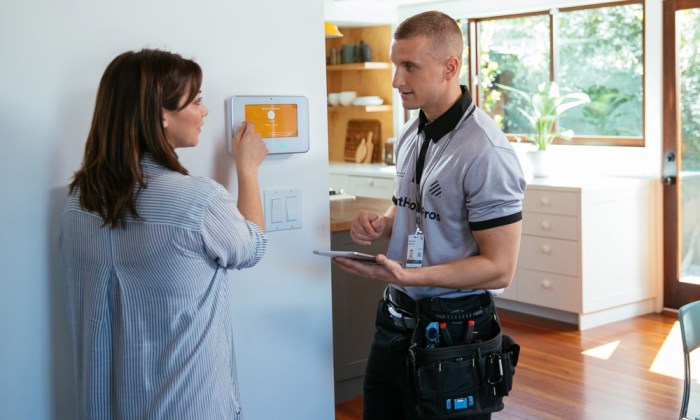
Smart security systems can be seamlessly integrated with other smart home devices to create a comprehensive and interconnected network that enhances the overall security of your home. By connecting various devices and sensors, you can create a more efficient and effective security system that not only alerts you to potential threats but also takes proactive measures to prevent them.
Enhanced Security through Integration
Integrating smart security systems with devices such as smart cameras, motion sensors, smart locks, and lighting systems can significantly enhance the security of your home
At the same time, the smart lighting system can be programmed to turn on automatically, deterring potential intruders.
- Smart cameras can be integrated with smart doorbells to provide a complete view of who is at your doorstep, allowing you to monitor and communicate with visitors remotely.
- Smart locks can be linked to your security system, enabling you to lock and unlock doors from your smartphone, as well as receive notifications when someone enters or exits your home.
- Integrating smoke detectors and carbon monoxide sensors with your security system can help prevent emergencies by alerting you to potential hazards and triggering a response from emergency services.
It is essential to choose devices that are compatible with your smart security system to ensure seamless integration and optimal performance.
Maintenance and Troubleshooting
Regular maintenance and troubleshooting are crucial aspects of ensuring that smart security systems operate effectively and provide optimal protection for your property. By staying proactive in maintaining and troubleshooting your security system, you can address any issues promptly and prevent potential security breaches.
Maintenance Tasks for Smart Security Systems
- Regularly check all cameras, sensors, and alarms to ensure they are functioning correctly.
- Clean camera lenses and sensors to maintain clear visibility and accurate detection.
- Inspect wiring and connections for any signs of damage or wear, and repair or replace as needed.
- Test the system periodically to verify that all components are communicating effectively.
Troubleshooting Guide for Smart Security Systems
- If cameras are not recording or displaying footage, check power sources and connections.
- If alarms are not triggering, investigate sensor functionality and replace batteries if necessary.
- If there are connectivity issues, reboot the system and check network settings.
- If notifications are not being received, review app settings and ensure alerts are enabled.
Importance of Software Updates and Maintenance
Regular updates and maintenance of software are essential for smart security systems to stay secure and operate efficiently. Software updates often include bug fixes, security patches, and new features that enhance system performance and protect against vulnerabilities. By keeping your security system up to date, you can ensure that it remains effective in safeguarding your property and assets.
Cost Considerations
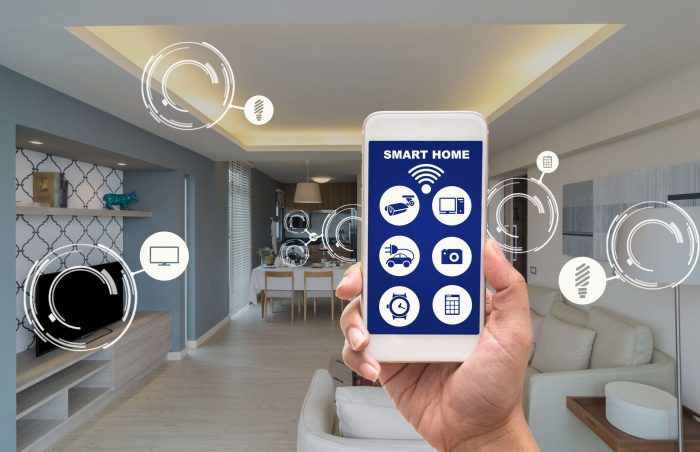
When it comes to installing a smart security system, there are various costs to consider. From the initial purchase of the equipment to installation fees and potential monthly monitoring charges, it's essential to budget carefully to ensure you get the security you need without breaking the bank.
Cost Breakdown
- Equipment Costs: This includes the cameras, sensors, control panel, and any other devices needed for your smart security system. Prices can vary depending on the brand and features you choose.
- Installation Fees: Hiring a professional to install your smart security system can incur additional costs. However, it ensures that everything is set up correctly for optimal performance.
- Monthly Monitoring Fees: If you opt for a monitoring service that alerts authorities in case of a break-in or emergency, there may be a monthly fee associated with this service.
Budgeting Tips
- Research Prices: Compare prices from different manufacturers and installation services to find the best deal for your budget.
- Consider DIY Options: Some smart security systems are designed for easy self-installation, which can save you money on installation fees.
- Look for Bundled Deals: Some companies offer package deals that include equipment, installation, and monitoring at a discounted rate.
Long-Term Savings
- Energy Efficiency: Smart security systems can help you save on energy costs by allowing you to control lights, thermostats, and other devices remotely.
- Insurance Discounts: Some insurance companies offer discounts for homes with smart security systems installed, which can help offset the initial costs.
- Peace of Mind: While not a direct cost-saving measure, the added security and peace of mind that a smart security system provides is invaluable.
Final Wrap-Up
In conclusion, smart security system installation is not just about setting up cameras and sensors; it's about creating a robust shield of protection for your home. By understanding the importance of planning, integrating, and maintaining these systems, you can ensure a safe and secure environment for you and your loved ones.
Stay vigilant, stay safe.
FAQ Explained
How do smart security systems enhance home safety?
Smart security systems offer real-time monitoring, remote access, and alerts, providing enhanced protection and peace of mind for homeowners.
What are the key features that make smart security systems effective?
Key features include motion detection, night vision, two-way audio, cloud storage, and smartphone integration, ensuring comprehensive security coverage.
What are the considerations for choosing the right smart security system?
Factors such as property size, security needs, budget, and compatibility with other smart devices play a crucial role in selecting the right system.
How can smart security systems be integrated with other smart home devices?
Smart security systems can be integrated through platforms like IFTTT or manufacturer-specific apps, allowing seamless coordination with devices like smart lights or door locks.
What are the maintenance tasks required for smart security systems?
Regular cleaning of cameras, testing sensors, updating software, and checking connectivity are essential maintenance tasks for optimal system performance.