As Calculating the Long-Term ROI: Vinyl Siding Installation Cost vs. Maintenance takes center stage, this opening passage beckons readers into a world crafted with good knowledge, ensuring a reading experience that is both absorbing and distinctly original.
Let's delve into the breakdown of vinyl siding installation costs, maintenance requirements, and how to calculate the long-term ROI effectively.
Vinyl Siding Installation Cost
When it comes to vinyl siding installation, understanding the cost breakdown is key to making informed decisions. Let's explore the typical cost components, comparisons to other siding materials, factors impacting costs, and examples of quality levels and associated prices.Cost Components of Vinyl Siding Installation
- Materials: Vinyl panels, trim pieces, fasteners, and insulation.
- Labor: Installation by professionals, including preparation and cleanup.
- Permits: Required permits for the installation process.
- Additional Costs: Any extra features, customization, or repairs needed.
Comparison to Other Siding Materials
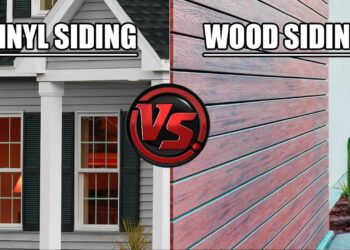
- Vinyl siding is generally more affordable than materials like wood or fiber cement.
- While initial costs may be lower, consider long-term maintenance and durability for a comprehensive comparison.
Factors Impacting Vinyl Siding Installation Costs
- Size of the project: Larger homes or complex designs may incur higher costs.
- Location: Labor and material prices can vary based on geographic location.
- Quality of materials: Higher quality vinyl siding may come at a premium price.
Examples of Quality Levels and Costs
| Quality Level | Average Cost (per square foot) |
|---|---|
| Basic | $2 - $4 |
| Middle Range | $4 - $6 |
| Premium | $6 - $10 |
Maintenance Costs of Vinyl Siding
When considering the long-term costs of vinyl siding, it's essential to factor in the maintenance requirements that come with this popular siding material.
Ongoing Maintenance Requirements
- Regular cleaning with a mild detergent and water to prevent dirt and grime buildup.
- Periodic inspections for any signs of damage or wear, such as cracks or warping.
- Repainting or resealing every few years to maintain the appearance and protective coating of the siding.
Impact of Regular Maintenance on Long-Term Costs
By staying proactive with regular maintenance tasks, homeowners can prevent costly repairs or replacements down the line. Addressing issues promptly can extend the lifespan of the siding and minimize the need for major renovations.
Comparison to Other Siding Materials
Compared to materials like wood or brick, vinyl siding typically requires less maintenance over time. While wood may need frequent repainting and sealing, vinyl siding is known for its durability and low upkeep requirements.
Climate and Location Factors
The climate and location of a property can impact the maintenance needs of vinyl siding. For example, areas with high humidity or extreme temperature fluctuations may require more frequent inspections and maintenance to ensure the siding remains in optimal condition
Calculating Long-Term ROI
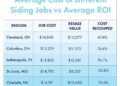
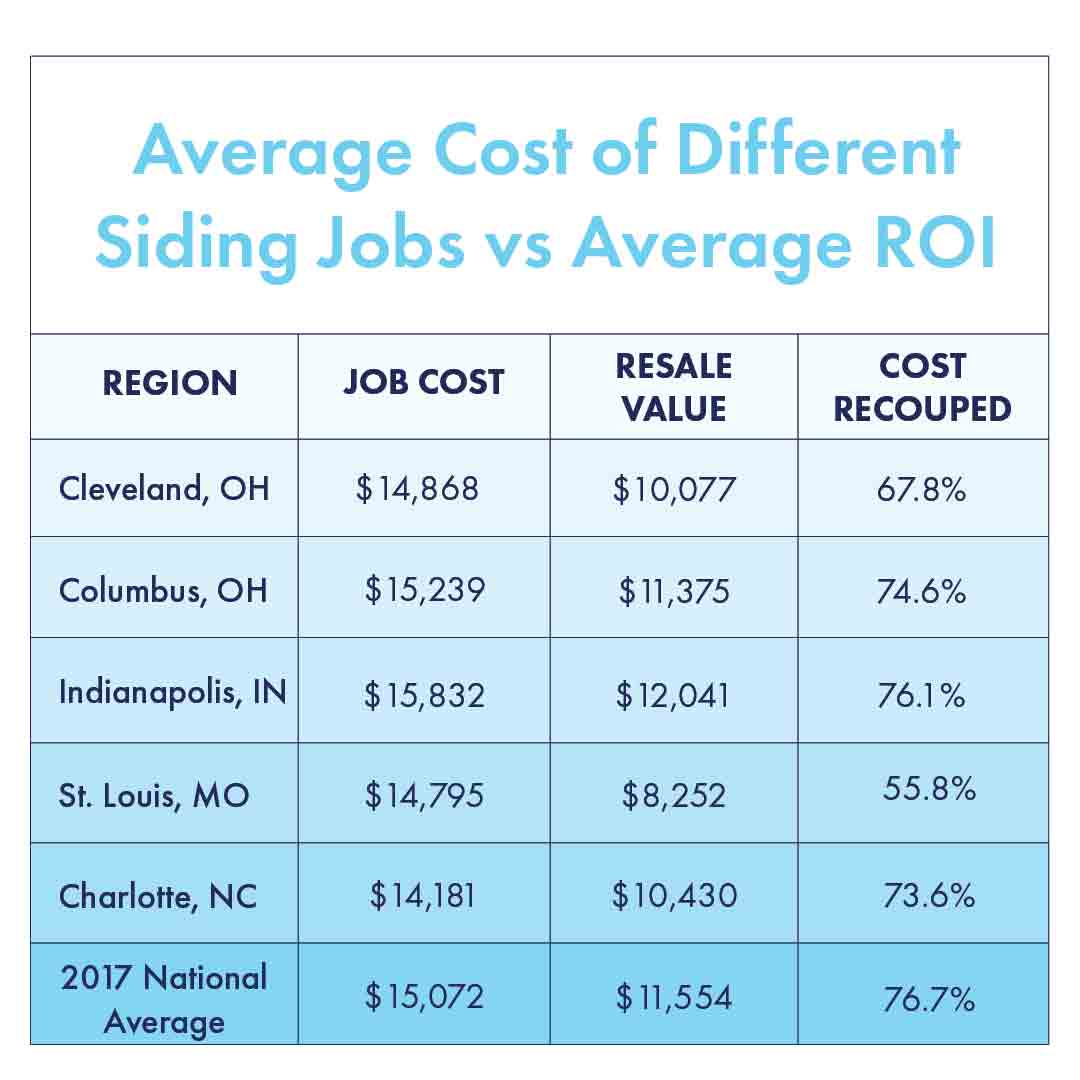 When it comes to vinyl siding installation, calculating the long-term Return on Investment (ROI) is crucial for homeowners looking to make an informed decision on whether to proceed with the installation. The ROI helps determine the financial benefits or drawbacks of investing in vinyl siding over time, taking into account both the upfront costs and maintenance expenses.
Definition of ROI in Vinyl Siding Context
Return on Investment (ROI) in the context of vinyl siding refers to the ratio of the net profit or savings generated by installing vinyl siding to the initial cost of the installation. It helps homeowners understand the financial impact of choosing vinyl siding over alternative options.
Formula for Calculating ROI of Vinyl Siding Installation
Calculating the ROI of vinyl siding installation involves using the following formula:
ROI = (Net Savings or Profit - Cost of Installation) / Cost of Installation * 100
Examples of Calculating Long-Term ROI of Vinyl Siding
- Example 1: If the cost of vinyl siding installation is $10,000 and the estimated net savings over 10 years is $5,000, the ROI would be calculated as follows:
(5000 - 10000) / 10000 * 100 = -50%
This negative ROI indicates that the savings do not outweigh the initial installation cost over the long term. - Example 2: In a scenario where the cost of vinyl siding installation is $15,000 and the estimated net profit over 15 years is $30,000, the ROI calculation would be:
(30000 - 15000) / 15000 * 100 = 100%
A positive ROI of 100% shows that the investment in vinyl siding yields a significant return over the long term.
Factors Influencing Long-Term ROI of Vinyl Siding Installation
- The quality of the vinyl siding materials used can impact the longevity and maintenance costs, thereby affecting the overall ROI.
- Local climate and weather conditions play a role in determining how well vinyl siding holds up over time, influencing maintenance requirements and costs.
- Proper installation by experienced professionals can prevent issues that may arise in the future, contributing to a higher ROI.
- Energy efficiency improvements from installing vinyl siding can lead to long-term savings on heating and cooling costs, positively impacting the ROI.
Outcome Summary
In conclusion, the discussion on Calculating the Long-Term ROI: Vinyl Siding Installation Cost vs. Maintenance reveals the nuances of investing in vinyl siding, offering insights into cost comparisons and long-term considerations.
General Inquiries
What factors impact the cost of vinyl siding installation?
The cost can vary based on quality, labor expenses, and size of the project.
How does climate affect vinyl siding maintenance costs?
Harsh climates may require more frequent maintenance, impacting long-term costs.
What is the formula for calculating the long-term ROI of vinyl siding installation?
ROI = (Net Profit / Cost of Investment) x 100