Wood Siding vs Vinyl Siding: Fire Safety Ratings Every Homeowner Should Know sets the stage for this enthralling narrative, offering readers a glimpse into a story that is rich in detail with casual formal language style and brimming with originality from the outset.
The content of the second paragraph that provides descriptive and clear information about the topic
Introduction to Wood Siding and Vinyl Siding
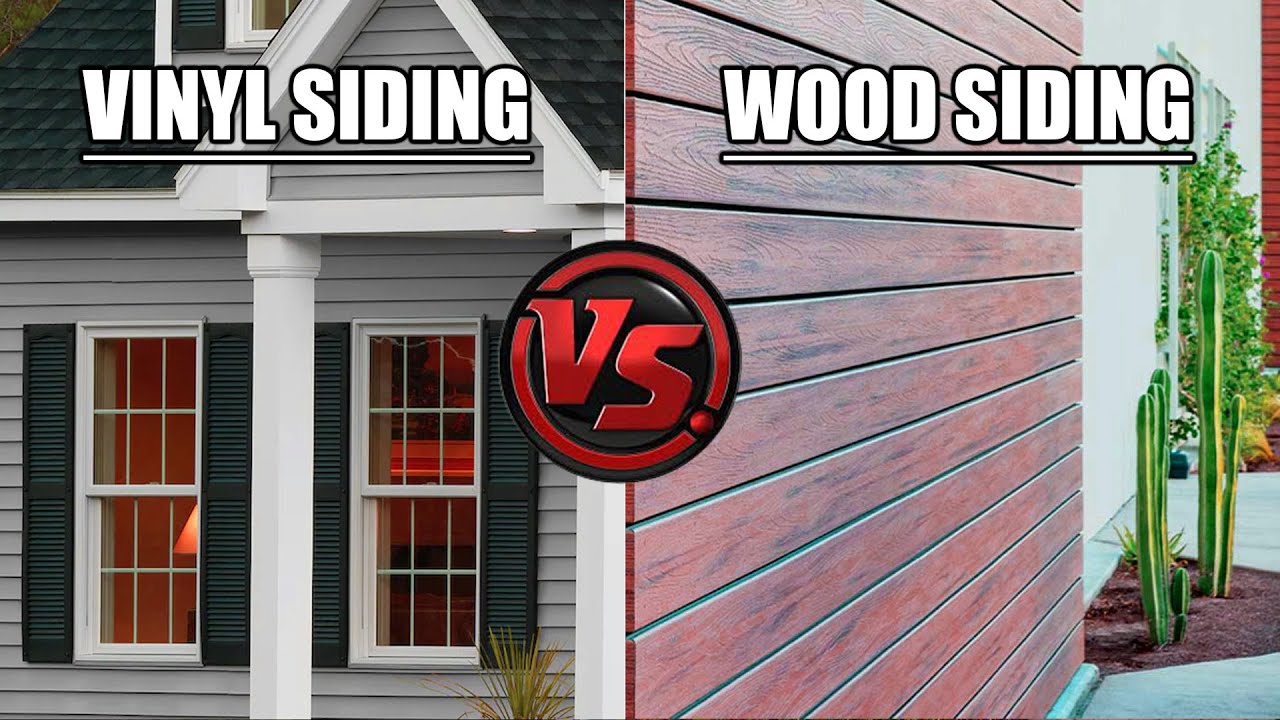
Wood siding and vinyl siding are two popular options for covering the exterior of residential buildings. Each type of siding has its own set of benefits and drawbacks, making them suitable for different preferences and needs.Wood siding is a classic choice that offers a traditional and natural look to a home. It is typically made from cedar, pine, or redwood, giving a warm and rustic appearance. On the other hand, vinyl siding is a synthetic material made from PVC (polyvinyl chloride) that comes in a variety of colors and textures, offering a more modern and versatile aesthetic.Differences Between Wood Siding and Vinyl Siding
Wood siding requires more maintenance than vinyl siding, as it needs to be regularly painted, stained, or sealed to protect it from the elements. In contrast, vinyl siding is low maintenance and only requires occasional cleaning with soap and water.Popularity of Wood Siding and Vinyl Siding
Wood siding has been a popular choice for many years due to its natural beauty and charm. However, vinyl siding has gained popularity in recent years due to its durability, low cost, and ease of installation.Benefits and Drawbacks of Wood Siding vs Vinyl Siding
- Wood Siding:
- Benefits:
- Natural appearance
- Can be painted or stained in different colors
- Environmentally friendly if sourced sustainably
- Drawbacks:
- Requires regular maintenance
- Prone to rot, insects, and moisture damage
- Higher initial cost compared to vinyl siding
- Benefits:
- Vinyl Siding:
- Benefits:
- Low maintenance
- Durable and long-lasting
- Cost-effective
- Drawbacks:
- Less environmentally friendly due to PVC materials
- Limited color options
- Potential for cracking or fading over time
- Benefits:
Fire Safety Ratings of Wood Siding
Wood siding is a popular choice for many homeowners due to its natural aesthetic appeal. However, it is essential to consider the fire safety ratings associated with wood siding to ensure the safety of your home and loved ones.Wood siding typically has a fire safety rating of Class C, which means it has a moderate resistance to fire. This rating indicates that the material can withstand moderate exposure to fire for a limited amount of time before igniting. It is crucial to note that wood siding is combustible and can contribute to the spread of fire if not properly maintained.To improve the fire safety of wood siding in homes, there are several measures that homeowners can take. One common practice is to treat the wood siding with fire-retardant chemicals to reduce its flammability. Additionally, ensuring proper installation of wood siding with adequate spacing between the material and the home's structure can help prevent the spread of fire.Impact of Wood Siding Materials on Fire Safety
Wood siding materials, such as cedar and redwood, are known for their natural resistance to decay and insect damage. However, these materials are also highly combustible, making them susceptible to catching fire easily. It is essential for homeowners to understand the fire safety implications of using wood siding and take appropriate precautions to mitigate the risks.- Regularly inspecting and maintaining wood siding to address any signs of wear or damage can help prevent potential fire hazards.
- Installing fire-resistant barriers, such as gypsum board or mineral wool insulation, behind wood siding can help improve the overall fire safety of the home.
- Keeping the area around wood siding clear of debris, vegetation, and other flammable materials can reduce the risk of fire spreading to the siding.
Fire Safety Ratings of Vinyl Siding
Vinyl siding is a popular choice for many homeowners due to its durability and low maintenance. When it comes to fire safety ratings, vinyl siding has specific characteristics that contribute to its overall rating.Vinyl siding typically has a fire rating of Class A, which is the highest rating possible for building materials. This means that vinyl siding is highly resistant to fire and will not contribute to the spread of flames in the event of a fire. Compared to other siding materials like wood, vinyl siding has a higher fire resistance due to its compositionFire-Retardant Properties of Vinyl Siding
Vinyl siding is made from PVC (polyvinyl chloride) resin, which inherently has fire-retardant properties. Additionally, manufacturers may add fire-retardant additives during the production process to enhance the fire resistance of vinyl siding even further.These fire-retardant properties help vinyl siding withstand heat exposure and prevent it from catching fire easily. In the event of a fire, vinyl siding is designed to melt and deform rather than burn, which can help protect the structural integrity of a building.Considerations for Homeowners
 When it comes to choosing between wood and vinyl siding for your home, there are several factors related to fire safety that homeowners should consider. Both materials have different fire safety ratings and require certain precautions to ensure the safety of your home and family.
Factors to Consider
- Fire Safety Ratings: Wood siding is more flammable than vinyl siding, so if you live in an area prone to wildfires or have concerns about fire safety, vinyl siding may be a safer option.
- Maintenance: Wood siding requires regular maintenance to prevent rot and decay, which can increase fire risk. Vinyl siding, on the other hand, is low maintenance and less likely to pose a fire hazard.
- Local Building Codes: Some areas have specific regulations regarding the type of siding that can be used on homes, including fire safety requirements. It's important to check local building codes before making a decision.
Tips for Enhancing Fire Safety
- Install Fire-Resistant Underlayment: Adding a fire-resistant underlayment beneath your siding can provide an extra layer of protection against flames.
- Keep Siding Clear of Debris: Regularly clean your siding to remove any debris that could potentially catch fire and spread to your home.
- Trim Vegetation: Keep vegetation around your home trimmed and away from the siding to reduce the risk of fire spreading.
Impact of Siding Material on Fire Safety
In a real-life scenario, a homeowner in a wildfire-prone area chose vinyl siding for their home, which ultimately helped prevent the spread of flames during a wildfire. The fire-resistant properties of vinyl siding played a crucial role in protecting the home from extensive damage.Epilogue
The content of the concluding paragraph that provides a summary and last thoughts in an engaging manner
Clarifying Questions
What are the key differences between wood siding and vinyl siding?
Wood siding is natural and offers a traditional look, while vinyl siding is synthetic and requires less maintenance.
Do wood siding materials impact fire safety in homes?
Yes, wood siding can be a fire hazard if not properly treated or maintained.
Are there fire-retardant properties in vinyl siding?
Some vinyl siding products have fire-retardant properties that can improve fire safety.