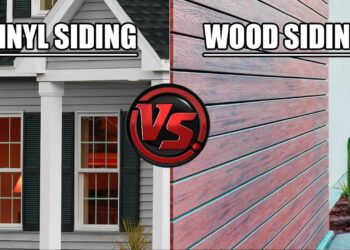
Delving into the debate of Wood Siding vs Vinyl Siding: Which Material Handles Extreme Climates Better?, this paragraph sets the stage for a compelling exploration that will keep readers hooked with valuable insights and unexpected revelations.
The second paragraph will provide in-depth and descriptive information about the topic.
Introduction
Wood siding and vinyl siding are two popular materials used for exterior cladding of homes. Wood siding is typically made from cedar, pine, or spruce, while vinyl siding is made from PVC (polyvinyl chloride) resin. Choosing the right siding material is crucial, especially in extreme climates, as it can impact the durability, maintenance, and overall appearance of the home. Factors such as temperature fluctuations, moisture levels, and exposure to sunlight can greatly affect how well siding materials perform in harsh weather conditions.Durability in Extreme Climates
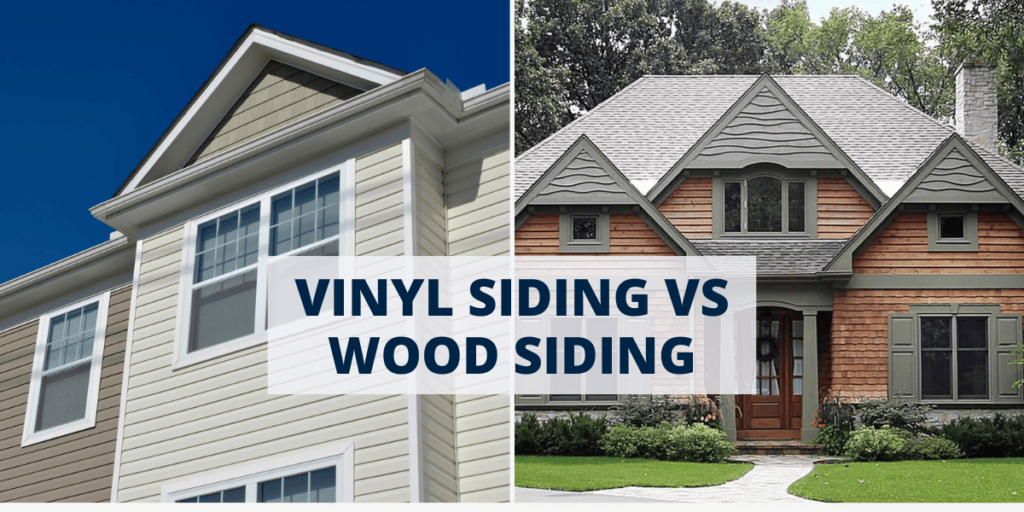 Wood siding and vinyl siding are both popular choices for homeowners, but how do they fare in extreme climates? Let's delve into how each material performs when faced with harsh weather conditions.
Wood Siding
Wood siding is known for its natural beauty and timeless appeal, but how does it hold up in extreme heat and cold? In hot climates, wood siding can expand and contract due to the temperature fluctuations, which may lead to warping or cracking. Additionally, prolonged exposure to intense sunlight can cause the wood to fade and deteriorate over time. On the other hand, in cold climates, wood siding may shrink and become brittle, making it more susceptible to damage from freezing temperatures and moisture. Despite these challenges, proper maintenance and regular sealing can help prolong the lifespan of wood siding in extreme climates.Vinyl Siding
Vinyl siding, on the other hand, is designed to be more resilient in extreme climates. It is engineered to withstand temperature changes without warping, cracking, or fading. In hot climates, vinyl siding can expand slightly to accommodate the heat without compromising its integrity. Similarly, in cold climates, vinyl siding remains flexible and durable, resisting damage from freezing temperatures and moisture. This makes vinyl siding a low-maintenance option for homeowners living in areas with extreme weather conditions.Overall, while wood siding exudes a classic charm, it may require more upkeep and care to withstand the challenges of extreme climates. On the contrary, vinyl siding offers durability and resilience, making it a practical choice for homeowners looking for a low-maintenance option that can handle temperature fluctuations with ease.Maintenance Requirements
When it comes to maintaining wood siding in extreme climates, there are several key considerations to keep in mind. Wood is a natural material that is susceptible to moisture, which can lead to rot, mold, and decay if not properly cared for. In harsh climates with high humidity or frequent rain, wood siding may require more frequent painting, sealing, and overall maintenance to prevent these issues.
Wood Siding Maintenance in Extreme Climates
In extreme climates, wood siding needs to be regularly inspected for signs of damage such as cracks, peeling paint, or warping. It should be cleaned and treated with a protective coating to shield it from the elements. Additionally, wood siding may require more frequent repainting or staining to maintain its appearance and protect it from moisture.
Vinyl Siding Maintenance in Extreme Climates
Vinyl siding, on the other hand, is known for its low maintenance requirements compared to wood siding. In extreme climates, vinyl siding is more resistant to moisture, mold, and rot, making it a more durable option. Maintenance for vinyl siding typically involves periodic cleaning with a mild detergent and water to remove dirt and grime.
Impact of Weather Conditions on Maintenance
Extreme weather conditions such as heavy rain, snow, or intense heat can impact the upkeep of both wood and vinyl siding
Installation Challenges
When it comes to installing siding in areas with extreme climates, both wood and vinyl present unique challenges that need to be considered.Wood siding, while beautiful and natural-looking, can be quite challenging to install in harsh weather conditions. Extreme heat, cold, or moisture can cause the wood to expand, contract, warp, or rot over time. This can lead to issues with the siding's stability and overall appearance, requiring regular maintenance and repairs to keep it looking its best.On the other hand, vinyl siding is known for its ease of installation and durability in extreme climates. The installation process involves interlocking panels that can withstand temperature changes without warping or cracking. Vinyl siding is also resistant to moisture, making it a suitable option for areas prone to heavy rain or snow.Wood Siding Installation Challenges
- Wood's susceptibility to weather-related damage
- Regular maintenance and repairs required
- Potential for warping, rotting, or cracking
Vinyl Siding Installation Process and Suitability
- Interlocking panels for easy installation
- Durability in extreme climates
- Resistance to moisture and temperature changes
Impact of Extreme Climates on Installation
- Extreme heat can cause wood siding to warp and crack
- Moisture in harsh weather can lead to rotting of wood siding
- Vinyl siding's durability makes it a more suitable option for areas with extreme climates
Aesthetics and Design
When it comes to the aesthetic appeal and design of wood siding versus vinyl siding, there are key differences to consider. Wood siding offers a natural and timeless look, with its unique grain patterns and textures adding warmth and character to a home. On the other hand, vinyl siding comes in a wide range of colors and styles, offering versatility and the ability to mimic the look of wood or other materials.Complementing Architectural Styles
Both wood and vinyl siding can complement different architectural styles in extreme climates. Wood siding is often favored for traditional and rustic homes, as it enhances the overall charm and authenticity of the design. In extreme climates, wood siding can provide a cozy and inviting feel. On the contrary, vinyl siding is known for its versatility and can adapt to various architectural styles, including modern and contemporary designs. Its durability in extreme climates makes it a practical choice for homes that need low maintenance but still want a stylish appearance.Customization Options
When it comes to customization options in harsh weather conditions, both wood and vinyl siding offer different advantages. Wood siding can be stained or painted in a variety of colors to match the homeowner's preferences and architectural style. However, it requires more maintenance to keep its appearance fresh in extreme climates. On the other hand, vinyl siding comes in a wide array of colors and finishes that are resistant to fading, warping, and cracking in harsh weather conditions. Homeowners can choose from different profiles and textures to achieve the desired look without the need for extensive upkeep.Closing Notes
Concluding the discussion with a captivating summary that leaves a lasting impression and final reflections on the comparison.
Common Queries
What are the main differences between wood siding and vinyl siding in extreme climates?
Wood siding is more susceptible to weather damage, while vinyl siding is known for its durability and resistance to extreme conditions.
Which siding material requires less maintenance in harsh weather conditions?
Vinyl siding typically requires less maintenance compared to wood siding when facing extreme climates.
Can wood siding be as aesthetically pleasing as vinyl siding in extreme climates?
While wood siding offers a natural, rustic look, vinyl siding also has design options that can enhance the visual appeal in harsh weather conditions.