When it comes to protecting your home exterior, the importance of waterproof exterior paint cannot be overstated. It acts as a shield against the elements, ensuring longevity and durability for your property. Let's delve into the world of waterproofing solutions and how they can make a significant difference.
Importance of Waterproof Exterior Paint
Using waterproof exterior paint is essential for prolonging the life of your home's exterior. Without proper protection, water damage can wreak havoc on buildings, causing issues such as mold growth, wood rot, and structural damage. Waterproofing solutions offer a range of benefits in terms of maintenance and durability, ensuring your home remains in top condition for years to come.Examples of Water Damage
Water damage can seep into cracks and crevices, leading to peeling paint, warped siding, and deteriorating materials. In extreme cases, water infiltration can compromise the structural integrity of your home, resulting in costly repairs and potential safety hazards. By applying waterproof exterior paint, you create a barrier that shields your home from these damaging effects, preserving its appearance and structural strength.Benefits of Waterproofing Solutions
- Prevents water infiltration: Waterproof exterior paint forms a protective layer that repels water, preventing it from seeping into the building materials.
- Reduces maintenance costs: By safeguarding your home against water damage, waterproofing solutions help minimize the need for repairs and replacements, saving you time and money in the long run.
- Enhances durability: With a waterproof coating in place, your home's exterior is better equipped to withstand the elements, including rain, snow, and humidity, extending its lifespan and maintaining its aesthetic appeal.
Types of Waterproof Exterior Paint
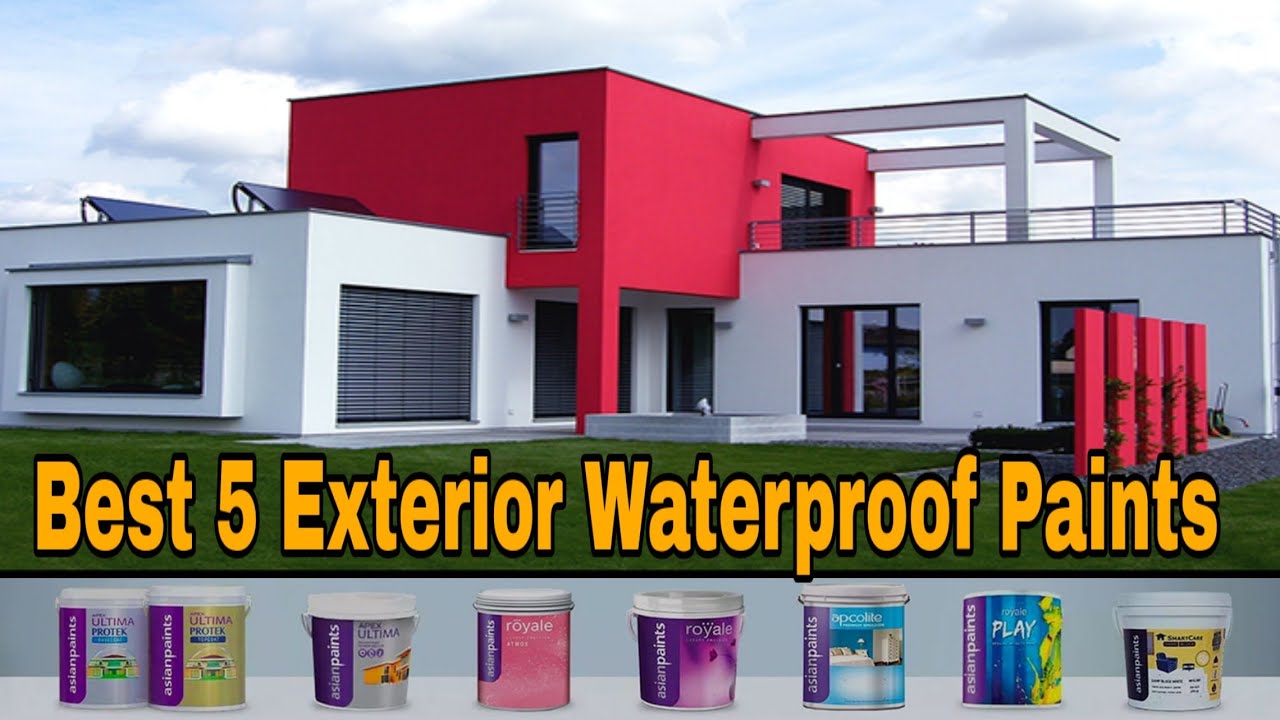 When it comes to protecting your home exterior from the elements, choosing the right type of waterproof exterior paint is crucial. Here are the different types available in the market and their effectiveness:
Oil-Based vs. Latex-Based Waterproof Paint
- Oil-Based Paint:
Oil-based waterproof paint is known for its durability and ability to provide a strong barrier against water penetration. It is ideal for areas with high moisture levels and offers excellent adhesion to various surfaces.
- Latex-Based Paint:
Latex-based waterproof paint is popular for its ease of application, quick drying time, and low odor. While it may not be as durable as oil-based paint, it still provides good protection against water damage.
Specialty Coatings like Elastomeric Paint
- Elastomeric Paint:
Elastomeric paint is a flexible coating that can stretch and contract with the building structure, making it ideal for areas prone to cracking or movement. It offers superior waterproofing properties and can help seal cracks and prevent water intrusion effectively.
Application Techniques
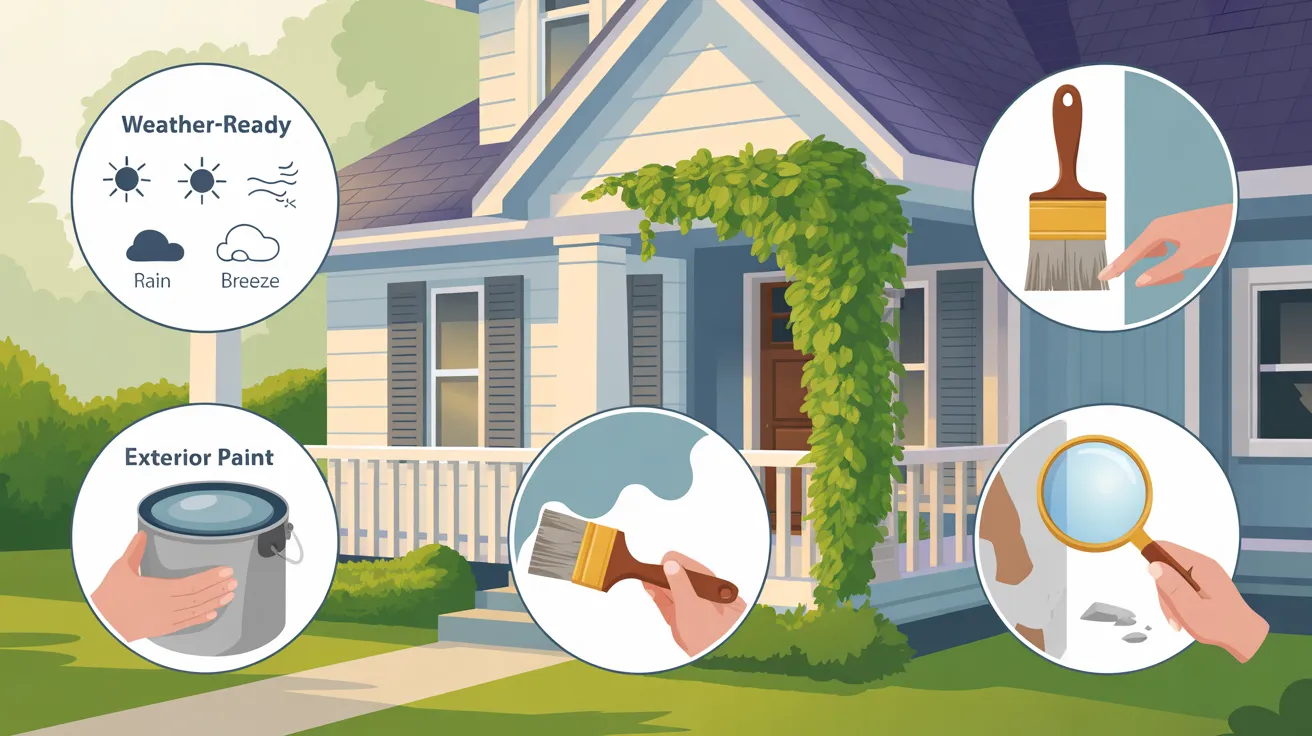 Proper application techniques are crucial to ensure the effectiveness of waterproof exterior paint and extend the life of your home's exterior. Here are some key steps to follow:
Preparation Steps
Before applying waterproof exterior paint, it is essential to properly prepare the surfaces. This includes cleaning the exterior thoroughly to remove any dirt, debris, or old paint. Repair any cracks or damages and allow the surface to dry completely before painting.Importance of Priming
Priming the surfaces before applying waterproof paint is vital for better adhesion and longevity. A quality primer creates a smooth and uniform surface for the paint to adhere to, enhancing its durability and resistance to weather elementsTips for Application
- Start by stirring the waterproof paint thoroughly to ensure proper consistency. - Use a high-quality brush or roller suitable for exterior painting to apply the paint evenly. - Work in small sections to avoid drying lines and overlaps. - Apply multiple thin coats rather than one thick coat for better coverage and durability. - Allow each coat to dry completely before applying the next one.By following these application techniques, you can ensure a smooth and long-lasting finish with waterproof exterior paint, protecting your home from the elements for years to come.Longevity and Maintenance
When it comes to the longevity of waterproof exterior paint, investing in a high-quality solution can actually save you money in the long run. By providing a strong barrier against moisture, waterproof paint helps prevent damage to your home's exterior, reducing the need for costly repairs or replacements.
Maintenance Tips
- Regular Inspections: Take the time to inspect your home's exterior for any signs of wear or damage to the waterproof paint. Look for peeling, cracking, or discoloration, and address any issues promptly.
- Cleaning: Keep your exterior clean by washing it with a mild detergent and water to remove dirt, grime, and pollutants that can degrade the waterproofing properties of the paint.
- Repair Damage: If you notice any areas where the paint has been compromised, such as cracks or chips, make sure to repair them immediately to maintain the effectiveness of the waterproofing.
- Reapplication: It's important to reapply waterproof exterior paint as needed to ensure continuous protection. Depending on the type of paint and your home's exposure to elements, this may be required every 5-10 years.
When to Reapply Waterproof Paint
Knowing when to reapply waterproof paint is crucial to maintaining the integrity of your home's exterior. Keep an eye out for signs like fading color, decreased water resistance, or visible damage to the paint. Additionally, consider the age of the existing paint and the climate conditions in your area to determine the optimal timing for reapplication.
End of Discussion
In conclusion, investing in waterproof exterior paint solutions is not just about aesthetics but also about safeguarding your home from potential damage. By understanding the benefits and application techniques, you can ensure a lasting impact on your home's exterior. Make the smart choice today for a better tomorrow.
Questions Often Asked
How often should waterproof exterior paint be reapplied?
It is recommended to reapply waterproof exterior paint every 5-7 years to maintain optimal protection.
Can waterproof exterior paint prevent mold growth?
Indeed, waterproof exterior paint can help in preventing mold growth by creating a barrier against moisture infiltration.
Is priming necessary before applying waterproof exterior paint?
Priming is crucial as it enhances adhesion and ensures the longevity of the waterproof paint on surfaces.