As Eco-Friendly Perspectives: Wood Siding vs Vinyl Siding Environmental Impact takes center stage, this opening passage beckons readers with casual formal language style into a world crafted with good knowledge, ensuring a reading experience that is both absorbing and distinctly original.
The content of the second paragraph that provides descriptive and clear information about the topic
Wood Siding Environmental Impact
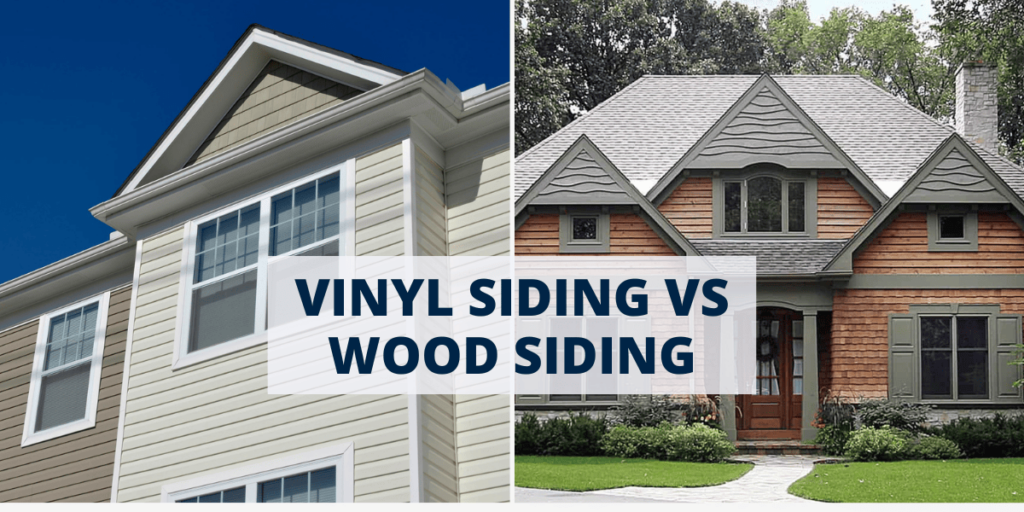 Wood siding offers several environmental benefits compared to other siding materials. One of the key advantages is that wood is a renewable resource, unlike vinyl or metal, which are non-renewable. This means that trees can be replanted to replace those that are harvested for wood siding, making it a sustainable choice in the long run.
Sustainability of Harvesting Wood for Siding
When harvested responsibly, wood siding can actually have a positive impact on the environment. Sustainable forestry practices ensure that trees are replanted, habitats are protected, and biodiversity is maintained. This helps to offset the carbon emissions associated with harvesting and processing the wood.Comparison of Carbon Footprint
Wood siding has a lower carbon footprint compared to other materials like vinyl or aluminum siding. This is because wood requires less energy to produce and is biodegradable, unlike vinyl which releases harmful chemicals when manufactured and disposed of. Additionally, wood acts as a carbon sink, absorbing and storing carbon dioxide from the atmosphere.Vinyl Siding Environmental Impact
Vinyl siding, while popular for its durability and low maintenance, poses significant environmental concerns due to its production process and long-term effects on the environment.Chemicals Used in Vinyl Siding Production
Vinyl siding is primarily made from polyvinyl chloride (PVC) resin, which requires the use of toxic chemicals such as chlorine and ethylene. The manufacturing process of PVC involves the release of harmful pollutants like dioxins and phthalates, which are known to be carcinogenic and harmful to human health.Long-Term Environmental Effects
The use of vinyl siding contributes to environmental pollution during its production and disposal stages. PVC, a key component of vinyl siding, is not biodegradable and releases toxic chemicals when incinerated. Additionally, the disposal of vinyl siding in landfills can lead to the leaching of harmful chemicals into the soil and water, posing a threat to ecosystems and human health.Durability and Longevity
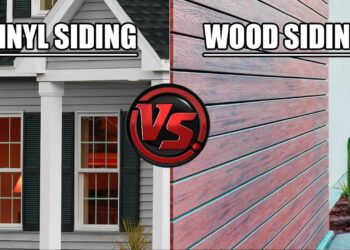
Wood siding and vinyl siding vary in terms of durability and longevity. Wood siding is known for its classic look and natural appeal, but it requires more maintenance compared to vinyl siding. On the other hand, vinyl siding is low maintenance but may not offer the same authentic aesthetic as wood siding.Lifespan Comparison
Wood siding typically has a lifespan of 20 to 40 years, depending on the type of wood and maintenance practices. In contrast, vinyl siding can last anywhere from 20 to 40 years as well, with some high-quality options lasting even longer.Weather Resistance
Wood siding is prone to rot, mold, and insect damage, especially in humid or rainy climates. To combat these issues, regular maintenance such as staining, sealing, and painting is necessary to extend its lifespan. On the other hand, vinyl siding is resistant to moisture, rot, and pests, making it a durable option in various weather conditions.Maintenance Practices
For wood siding, regular inspections, repairs, and resealing every few years can help prevent rot and decay. It is also essential to keep vegetation trimmed away from the siding to avoid moisture buildup. On the other hand, vinyl siding requires occasional cleaning with a mild detergent and water to maintain its appearance. Avoid using harsh chemicals or abrasive tools that can damage the vinyl surface.Energy Efficiency
Wood siding and vinyl siding can both contribute to energy efficiency in buildings through their insulation properties. Properly installed wood siding can help regulate indoor temperatures by providing a natural barrier against heat loss or gain. On the other hand, vinyl siding, when installed with insulation backing, can also improve the overall energy efficiency of a home by reducing thermal bridging and air leakage.Insulation Properties of Wood and Vinyl Siding
- Wood Siding: Wood siding has natural insulating properties that can help reduce energy consumption for heating and cooling. However, without proper maintenance, wood siding can deteriorate over time, compromising its insulation effectiveness.
- Vinyl Siding: Vinyl siding, when combined with insulation backing, can create a thermal barrier that enhances energy efficiency. The insulation backing helps reduce heat transfer through the walls, leading to lower energy bills.
Maximizing Energy Efficiency with Wood or Vinyl Siding
- Proper Installation: Ensure that both wood and vinyl siding are installed correctly to maximize their insulation benefits. Proper sealing and insulation can prevent air leaks and improve overall energy efficiency.
- Maintenance: Regular maintenance of wood siding, such as painting and sealing, can help preserve its insulation properties and prolong its lifespan. For vinyl siding, occasional cleaning and inspections can ensure optimal performance.
- Additional Insulation: Consider adding extra insulation to the walls before installing siding to further enhance energy efficiency. This additional layer can reduce heat loss and improve the overall thermal performance of the building.
Final Summary
The content of the concluding paragraph that provides a summary and last thoughts in an engaging manner
Q&A
What are the environmental benefits of using wood siding?
Wood siding is considered eco-friendly as it is a renewable resource and has a lower carbon footprint compared to other materials.
What are the long-term environmental effects of using vinyl siding?
Vinyl siding can release toxic chemicals and is not biodegradable, posing environmental concerns in the long run.
How do wood siding and vinyl siding contribute to energy efficiency in buildings?
Wood siding can provide natural insulation, while vinyl siding can be energy efficient when properly installed with insulation.