Beginning with 24 Hour Heating and Air Specialists: What Credentials and Licenses to Look For, the narrative unfolds in a compelling and distinctive manner, drawing readers into a story that promises to be both engaging and uniquely memorable.
Exploring the essential requirements and qualifications needed for heating and air specialists can be a crucial aspect when seeking reliable services. Let's delve into the key credentials and licenses to look for in these professionals.
What Licenses Are Required for Heating and Air Specialists?
When it comes to working as a Heating and Air Specialist, there are specific licenses that professionals need to obtain in order to practice legally and safely in the field.Types of Licenses
- 1. EPA Section 608 Certification:
- 2. HVAC Contractor License:
- 3. HVAC Technician Certification:
Certification Process
- - EPA Section 608 Certification requires passing an exam on the safe handling of refrigerants.
- - HVAC Contractor License involves meeting specific experience and education requirements, as well as passing a state licensing exam.
- - HVAC Technician Certification typically includes completing a training program and passing an exam to demonstrate competency.
Training and Education Requirements
- - HVAC specialists often need to complete a formal training program from a technical school or community college.
- - Some states may require a certain number of years of experience working under a licensed professional before obtaining a license.
- - Continuing education courses may be necessary to maintain and renew licenses in some states.
How to Verify Credentials of 24-Hour Heating and Air Specialists?
Before hiring a 24-hour heating and air specialist, it is crucial to verify their credentials to ensure they are qualified and trustworthy. By confirming their licenses, certifications, and reputation, you can have peace of mind knowing that you are hiring a professional who will provide quality service.Methods to Confirm Validity of Licenses and Certifications
- Contact the licensing board: Reach out to the relevant licensing board in your state to verify the specialist's credentials and ensure they are up to date.
- Check online databases: Many states have online databases where you can look up licensed professionals, allowing you to confirm the specialist's credentials.
- Request copies of licenses: Ask the specialist to provide copies of their licenses and certifications for your records, ensuring they are legitimate.
Tips for Checking Background and Reputation
- Read reviews: Look for reviews and testimonials from previous clients to gauge the specialist's reputation and quality of work.
- Ask for referrals: Request referrals from the specialist and follow up with past clients to get feedback on their experience.
- Verify insurance coverage: Ensure the specialist has liability insurance to protect you in case of any accidents or damages during the service.
Importance of Insurance for Heating and Air Specialists
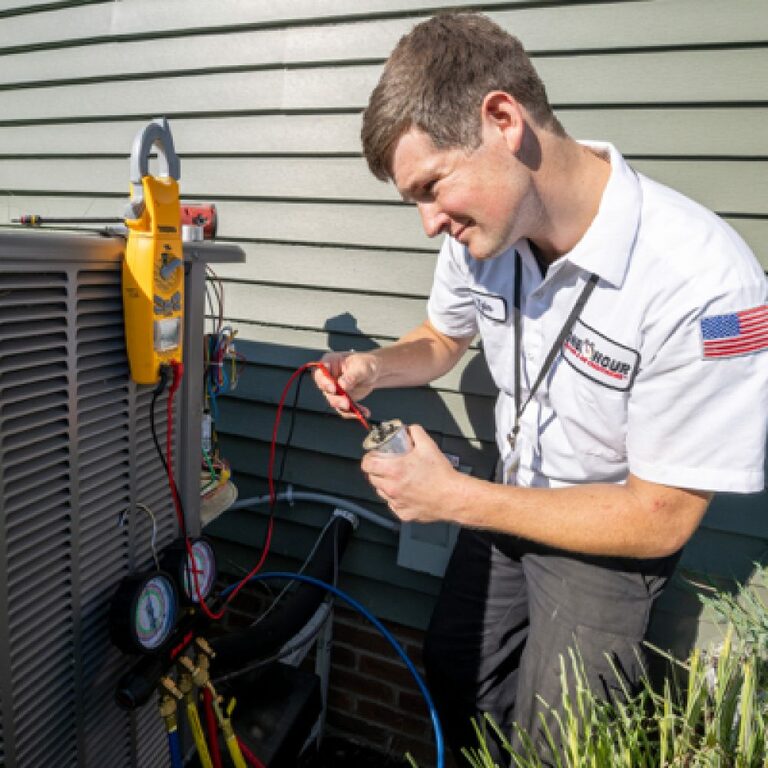 Insurance coverage is crucial for heating and air specialists to protect themselves, their business, and the homeowners they work with. In the HVAC industry, unforeseen accidents or damages can occur during installations, repairs, or maintenance tasks. Having the right insurance policies in place can provide peace of mind and financial security in case of any mishaps.
Types of Insurance Policies for Heating and Air Specialists
- General Liability Insurance: This policy covers bodily injury or property damage that may occur on the job site. It protects the specialist from lawsuits and medical expenses.
- Worker's Compensation Insurance: If a specialist or their employee gets injured on the job, this policy covers medical costs, lost wages, and legal expenses.
- Professional Liability Insurance: Also known as Errors and Omissions insurance, this policy protects against claims of negligence, incomplete work, or mistakes in professional services.
- Commercial Auto Insurance: For specialists who use vehicles for work purposes, this policy covers damages to company vehicles and liability in case of accidents.
How Insurance Protects Specialists and Homeowners
Insurance provides a safety net for heating and air specialists by minimizing financial risks associated with accidents, injuries, or property damage. In the event of a mishap, the insurance coverage can help cover repair costs, legal fees, medical expenses, and other liabilities. For homeowners, working with insured specialists gives them peace of mind knowing that they are protected in case of any unforeseen incidents during HVAC work. It ensures that both parties are safeguarded and can address any unexpected situations without facing significant financial burdens.Continuing Education Requirements for HVAC Specialists
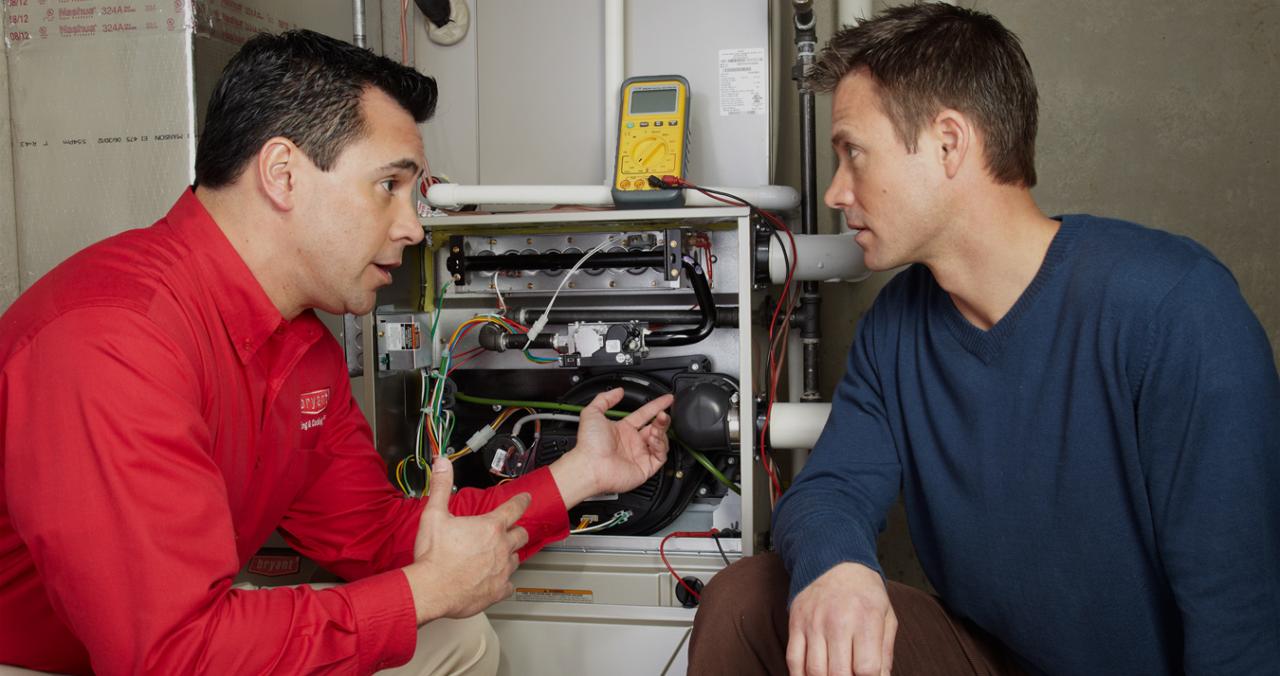
Continuing education is a vital aspect of the HVAC industry to ensure that specialists stay current with the latest technologies, regulations, and best practices. HVAC specialists must undergo ongoing training to maintain their skills and knowledge in this rapidly evolving field.
Benefits of Continuing Education
- Stay updated with the latest industry developments and trends.
- Enhance skills and knowledge to provide better service to clients.
- Adapt to new technologies and equipment in the HVAC industry.
- Meet licensing requirements and regulations.
Examples of Relevant Courses/Certifications
- EPA 608 Certification: Required for handling refrigerants safely and legally.
- NATE Certification: Demonstrates a high level of expertise in HVAC systems.
- Manufacturer-Specific Training: Offered by HVAC equipment manufacturers to ensure proper installation and maintenance.
- Energy Efficiency Training: Focuses on sustainable practices and energy-saving solutions in HVAC systems.
Last Point
In conclusion, ensuring that your chosen 24-hour heating and air specialist possesses the necessary credentials and licenses is vital for quality service and peace of mind. By being informed about these aspects, you can make confident decisions when selecting a specialist for your HVAC needs.
FAQs
What are the different types of licenses HVAC specialists need?
There are typically three main types of licenses required for HVAC specialists: apprentice, journeyman, and master HVAC licenses.
How can I verify the credentials of 24-hour heating and air specialists?
You can verify credentials by checking with the licensing board, requesting proof of insurance, and looking for reviews or testimonials from previous clients.
Why is insurance important for heating and air specialists?
Insurance is crucial for HVAC professionals as it provides protection against potential liabilities and damages that may occur during service.
What ongoing education and training do HVAC specialists need?
HVAC specialists must undergo continuous education to stay updated on industry developments and maintain their licenses. They can pursue courses or certifications to enhance their skills.