Delving into Emergency HVAC Service: Safeguarding Commercial Cold Storage and Logistics Hubs, this introduction immerses readers in a unique and compelling narrative, with a casual formal language style that is both engaging and thought-provoking from the very first sentence.
As we explore the critical role of emergency HVAC services in protecting commercial cold storage and logistics hubs, we uncover the intricate balance between temperature control and operational efficiency within these vital facilities.
Importance of Emergency HVAC Service for Cold Storage Facilities
Maintaining the proper temperature in cold storage facilities is crucial for preserving perishable goods and ensuring food safety. When the HVAC system fails, it can lead to a chain of detrimental effects that impact the integrity of the stored products.Risks Associated with HVAC Failure in Cold Storage
- Temperature Fluctuations: HVAC failure can result in drastic temperature fluctuations within the facility, causing spoilage and contamination of perishable goods.
- Loss of Inventory: Inability to control the temperature can lead to the loss of valuable inventory, affecting the bottom line of businesses.
- Compliance Issues: Failure to maintain proper temperature levels due to HVAC issues can result in non-compliance with food safety regulations, leading to fines and legal consequences.
Impact of Temperature Fluctuations on Perishable Goods
- Deterioration of Quality: Fluctuating temperatures can accelerate the deterioration of perishable goods, reducing their quality and shelf life.
- Bacterial Growth: Incorrect temperature levels provide an ideal environment for bacterial growth, increasing the risk of foodborne illnesses.
- Financial Loss: Spoiled inventory due to temperature fluctuations can result in significant financial losses for businesses, affecting their profitability.
Components of an Emergency HVAC System
In a commercial cold storage facility, an emergency HVAC system plays a crucial role in maintaining the optimal temperature for preserving perishable goods. Let's delve into the key components that make up this system and how they work together to ensure uninterrupted cooling during emergencies.1. Emergency Power Supply
An emergency HVAC system is equipped with a backup power supply, such as a generator, to ensure continuous operation even during power outages. This component is essential in preventing temperature fluctuations that could compromise the quality of stored products.2. Temperature and Humidity Sensors
Temperature and humidity sensors are integrated into the system to monitor the conditions inside the cold storage facility. These sensors relay real-time data to the HVAC system, allowing it to adjust cooling settings as needed to maintain the desired temperature and humidity levels.3. Automated Controls
Automated controls are responsible for regulating the operation of the HVAC system based on the data collected from the sensors. These controls can automatically adjust the cooling capacity, airflow, and other parameters to respond to changes in the environment and ensure consistent cooling performance.4. High-efficiency Cooling Units
High-efficiency cooling units, such as chillers and evaporators, are key components of an emergency HVAC system. These units are designed to provide rapid and effective cooling to counteract any temperature spikes in the cold storage facility, helping to preserve the integrity of the stored products.5. Remote Monitoring and Alert Systems
Remote monitoring and alert systems enable facility managers to oversee the performance of the emergency HVAC system from a distance. In the event of any issues or malfunctions, these systems can send alerts and notifications to ensure prompt action is taken to rectify the situation.Best Practices for Maintaining Emergency HVAC Systems
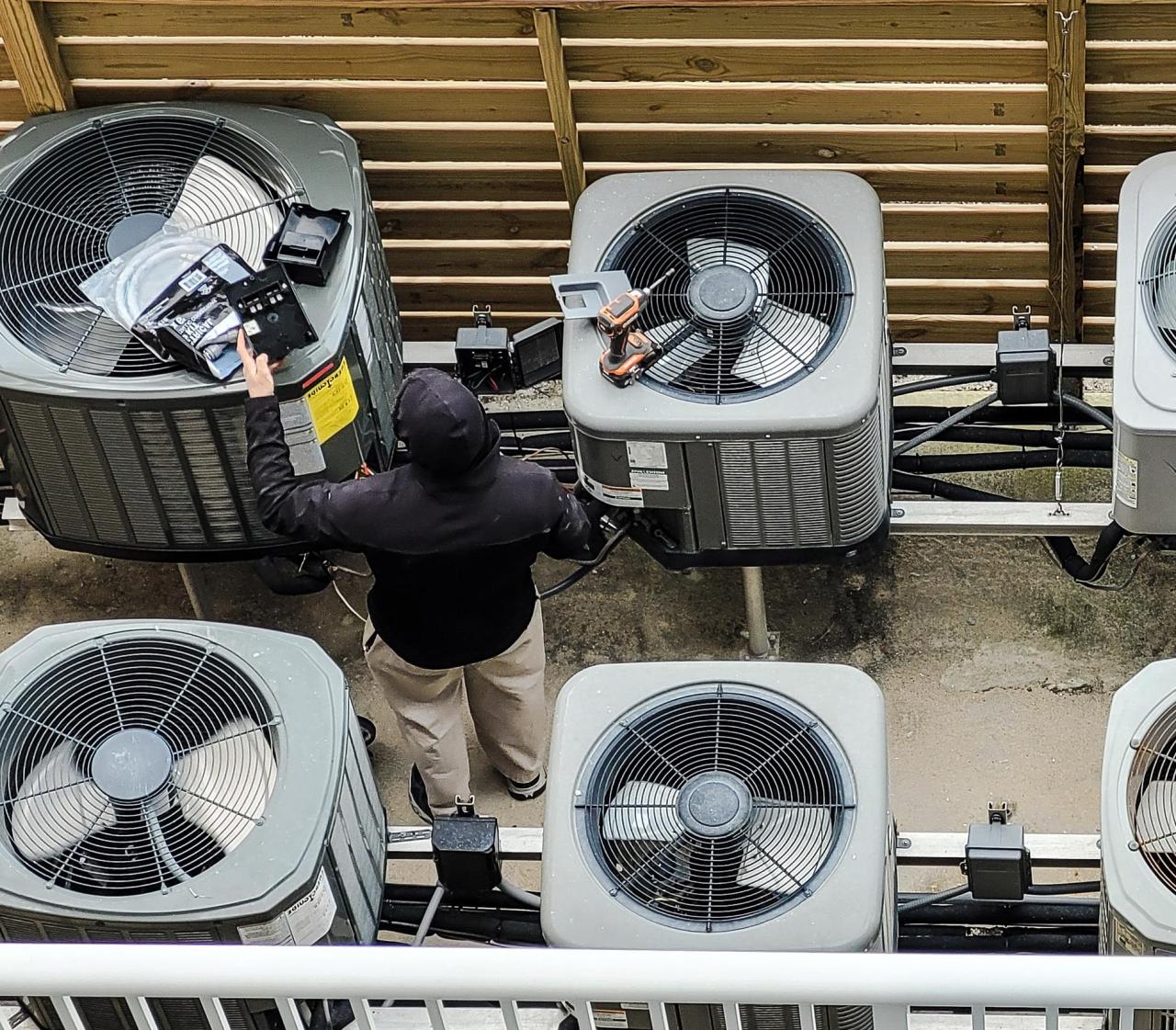 Maintaining emergency HVAC systems is crucial to ensure they are functioning optimally when needed the most
Regular Inspections and Servicing
Regular inspections by trained technicians are essential to identify any potential issues before they escalate into major problems. These inspections should include checking for leaks, cleaning coils, changing filters, and ensuring all components are functioning properly.
Scheduled Maintenance Tasks
- Change air filters regularly to maintain optimal air quality and prevent system strain.
- Clean coils to ensure efficient heat transfer and prevent overheating.
- Inspect and repair ductwork to prevent air leaks and maintain proper airflow.
- Check refrigerant levels to avoid system malfunctions and ensure efficient cooling.
Emergency Preparedness Plan
Develop an emergency preparedness plan that includes regular maintenance tasks, contact information for HVAC service providers, and protocols to follow in case of system failure. This plan should be easily accessible to all facility managers and staff.
Training and Education
- Provide training for facility managers and staff on the importance of regular maintenance and how to identify early signs of HVAC system issues.
- Keep up-to-date on the latest HVAC technologies and best practices through continuing education and training programs.
Case Studies
In this section, we will delve into real-life examples of businesses that have successfully implemented emergency HVAC services to safeguard their commercial cold storage facilities.Case Study 1: XYZ Cold Storage Facility
- XYZ Cold Storage Facility, a large logistics hub, experienced a sudden HVAC system failure during a heatwave.
- Their robust emergency HVAC system kicked in immediately, ensuring that the temperature inside the facility remained within the optimal range for perishable goods.
- As a result, XYZ Cold Storage Facility was able to prevent any spoilage of goods and maintain uninterrupted operations, saving them millions in potential losses.
Case Study 2: ABC Logistics Company
- ABC Logistics Company invested in a state-of-the-art emergency HVAC system for their cold storage warehouse.
- When a compressor malfunction threatened to disrupt operations, the emergency HVAC system automatically activated and kept the facility running smoothly.
- This quick response not only prevented any downtime but also showcased the cost-effectiveness of having a reliable emergency HVAC service in place.
Conclusive Thoughts
In conclusion, the discussion on Emergency HVAC Service: Safeguarding Commercial Cold Storage and Logistics Hubs highlights the indispensable nature of proactive cooling solutions in preserving perishable goods and sustaining the seamless functioning of logistics operations.
Questions and Answers
What are the common risks associated with HVAC failure in cold storage facilities?
HVAC failures in cold storage facilities can lead to temperature fluctuations, compromising the quality and safety of perishable goods stored within. This can result in significant financial losses for businesses.
How often should emergency HVAC systems be inspected for optimal performance?
Regular inspections of emergency HVAC systems are recommended at least twice a year to identify and address any potential issues before they escalate into emergencies.
What is the primary function of emergency HVAC systems in cold storage facilities?
The main function of emergency HVAC systems is to ensure uninterrupted cooling to maintain the desired temperature levels essential for preserving perishable goods in commercial cold storage environments.