Embarking on the journey of Home Furnace Repair: Transitioning from Oil to Energy-Efficient Electric Systems, this initial paragraph aims to draw in the readers with a captivating glimpse into the topic.
The following paragraph will delve into the specifics of the subject matter, providing clear and informative details.
Understanding the Transition

When transitioning from oil to energy-efficient electric systems, it is important to understand the key differences between the two options.
Difference between Oil and Energy-Efficient Electric Systems
- Oil systems rely on burning fossil fuels like oil to generate heat, while energy-efficient electric systems use electricity to provide warmth.
- Electric systems are generally more efficient in converting energy into heat compared to oil systems.
- Oil systems require regular maintenance and fuel deliveries, whereas electric systems are easier to maintain and do not require fuel deliveries.
Key Benefits of Transitioning to Energy-Efficient Electric Systems
- Energy-efficient electric systems are more environmentally friendly as they do not produce harmful emissions during operation.
- Electric systems are safer to operate compared to oil systems, reducing the risk of potential hazards such as carbon monoxide leaks.
- Electric systems often have lower operating costs in the long run, as electricity prices tend to be more stable than oil prices.
Environmental Impact of Switching from Oil to Electric Systems
Switching from oil to energy-efficient electric systems can have a positive impact on the environment. By reducing the use of fossil fuels, the transition helps lower carbon emissions, contributing to a cleaner and healthier environment. Additionally, electric systems have the potential to be powered by renewable energy sources, further reducing the ecological footprint associated with heating systems.
Considerations for Transition
When considering the transition from oil to energy-efficient electric systems for home furnace repair, there are several important factors to keep in mind. From costs to incentives, making an informed decision is crucial for a successful switch.Factors to Consider
Before making the switch, it's essential to evaluate the current condition of your oil furnace. Consider factors such as the age of the furnace, frequency of repairs, and overall efficiency. Understanding the state of your current system will help determine if a transition to an electric system is the best choice for your home.Cost Comparison
Repairing an oil furnace can be costly, especially if the system is old and requires frequent maintenance. On the other hand, installing a new energy-efficient electric system may require a significant upfront investment. However, it's important to weigh the long-term savings on energy costs that come with an electric system against the ongoing expenses of maintaining an oil furnace.Rebates and Incentives
There are various rebates and incentives available for homeowners looking to transition to energy-efficient electric systems. Some utility companies offer rebates for upgrading to electric furnaces, while government programs provide tax credits for installing eco-friendly heating systems. Taking advantage of these incentives can help offset the initial costs of transitioning to a more sustainable and cost-effective heating solution.Steps for Transition
Converting from an oil furnace to an electric system requires careful planning and execution to ensure a smooth transition. It is essential to follow a step-by-step process to minimize disruptions and maximize efficiency.Role of Professionals
When transitioning from an oil furnace to an electric system, it is crucial to involve professionals such as HVAC technicians or electricians. These experts have the knowledge and experience to safely remove the existing oil furnace, install the new electric system, and make any necessary adjustments to ensure proper functioning.Permits and Regulations
Before converting to an electric system, it is important to check and comply with local permits and regulations. Some areas may have specific requirements for the installation of electric furnaces, such as electrical codes or zoning restrictions. Failure to adhere to these regulations could result in fines or delays in the transition process.Maintenance and Care
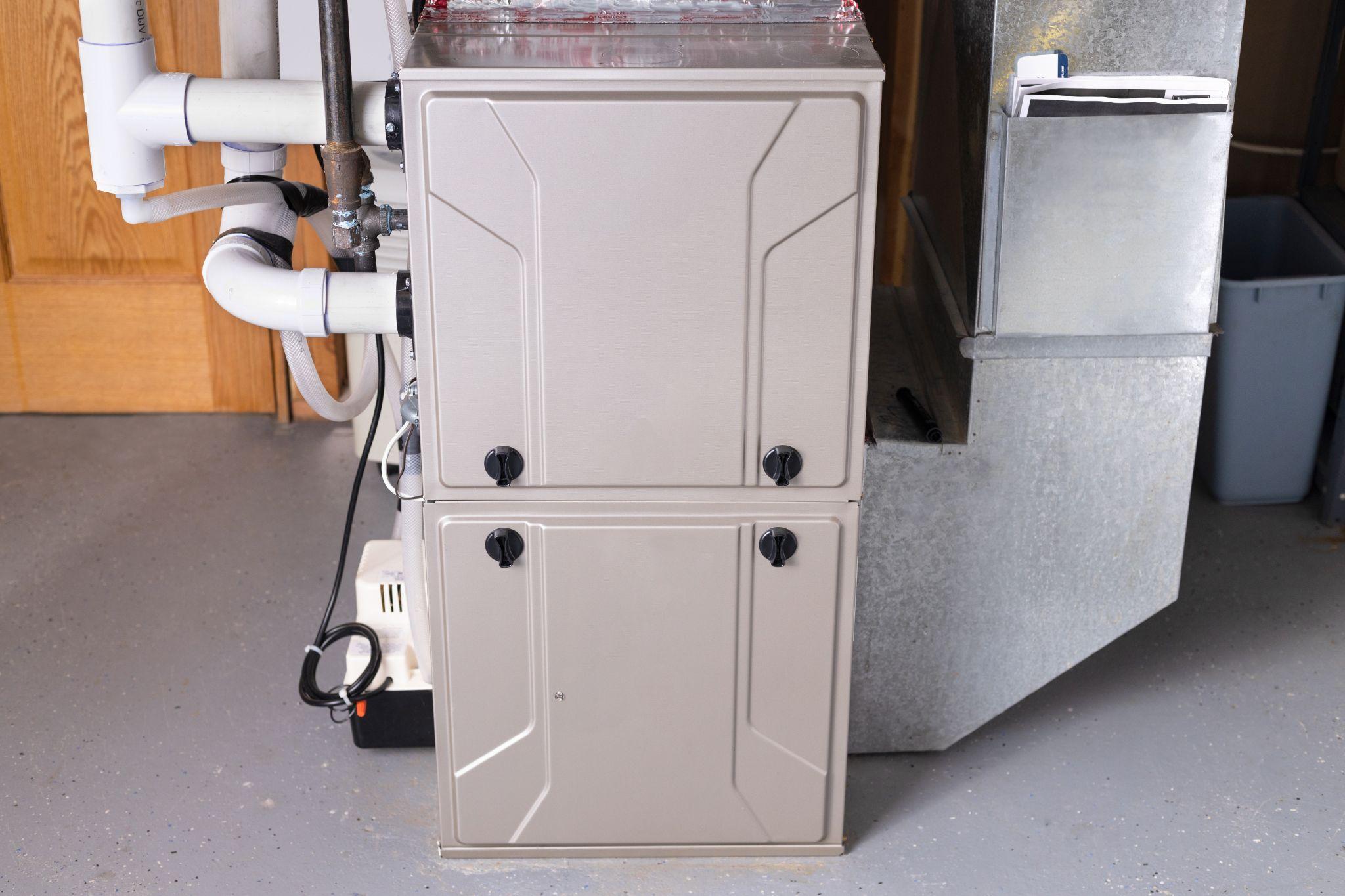
Maintaining an energy-efficient electric system is crucial to ensure optimal performance and longevity. By following proper maintenance practices, you can maximize the lifespan and efficiency of your electric furnace.Maintenance Requirements
- Regularly clean or replace air filters to ensure proper airflow and efficiency.
- Inspect and clean the blower motor and fan blades to prevent dust buildup and maintain airflow.
- Check and tighten electrical connections to prevent malfunctions and ensure safety.
- Monitor the thermostat settings and calibrate if necessary to maintain comfort and efficiency.
Maximizing Lifespan and Efficiency
- Invest in professional annual maintenance to identify and address any potential issues early on.
- Keep the area around the furnace clear of obstructions to ensure proper ventilation and airflow.
- Consider installing a programmable thermostat to regulate temperature settings and save energy.
- Use a humidifier to maintain proper humidity levels in the home, which can help reduce strain on the furnace.
Common Issues and Troubleshooting
- Uneven Heating: Check for blocked vents or ducts and adjust the airflow to balance heating throughout the home.
- Strange Noises: Inspect the blower motor and fan for debris or signs of wear and tear that may be causing the noise.
- Frequent Cycling: Verify the thermostat settings and consider recalibrating or replacing the thermostat if necessary.
- No Heat: Check the power supply, circuit breaker, and thermostat settings to troubleshoot the lack of heat.
Conclusion
Concluding our discussion on Home Furnace Repair: Transitioning from Oil to Energy-Efficient Electric Systems, this final paragraph encapsulates the key points in a compelling manner.
Clarifying Questions
What are the main benefits of transitioning to energy-efficient electric systems?
Transitioning to energy-efficient electric systems can lead to reduced energy costs, lower environmental impact, and increased efficiency in heating your home.
Are there any rebates or incentives available for switching to energy-efficient systems?
Yes, there are often rebates and incentives offered by utility companies or government programs to encourage the transition to energy-efficient systems.
What are some common maintenance requirements for energy-efficient electric systems?
Regular filter changes, professional inspections, and cleaning are essential maintenance tasks to ensure the optimal performance of electric systems.