As Vinyl vs Aluminum Windows: Which Material Offers Better Recyclability? takes center stage, this opening passage beckons readers with engaging insights into the world of window materials, promising a thorough exploration of recyclability and sustainability in the context of vinyl and aluminum windows.
The subsequent paragraphs delve into the specifics of recyclability, environmental impact, and innovative technologies in the window industry, offering a comprehensive view for readers seeking valuable information on this crucial topic.
Vinyl Windows Recyclability
Vinyl windows are recyclable materials that can be processed and reused to reduce waste and environmental impact. The recyclability of vinyl windows plays a crucial role in sustainability efforts within the construction industry.Recycling Process of Vinyl Windows
- Old vinyl windows are collected from renovation or demolition projects.
- The windows are then transported to recycling facilities where they are sorted and cleaned.
- The vinyl material is shredded into small pieces and processed to remove any contaminants.
- The recycled vinyl is then melted and molded into new products, such as window frames or other building materials.
Environmental Impact of Recycling Vinyl Windows
- Recycling vinyl windows reduces the need for new raw materials, conserving natural resources.
- It helps lower energy consumption and greenhouse gas emissions compared to producing new vinyl materials.
- By diverting vinyl windows from landfills, recycling contributes to reducing waste and pollution in the environment.
- Overall, the recycling of vinyl windows promotes a more sustainable and environmentally friendly approach to construction and waste management.
Aluminum Windows Recyclability
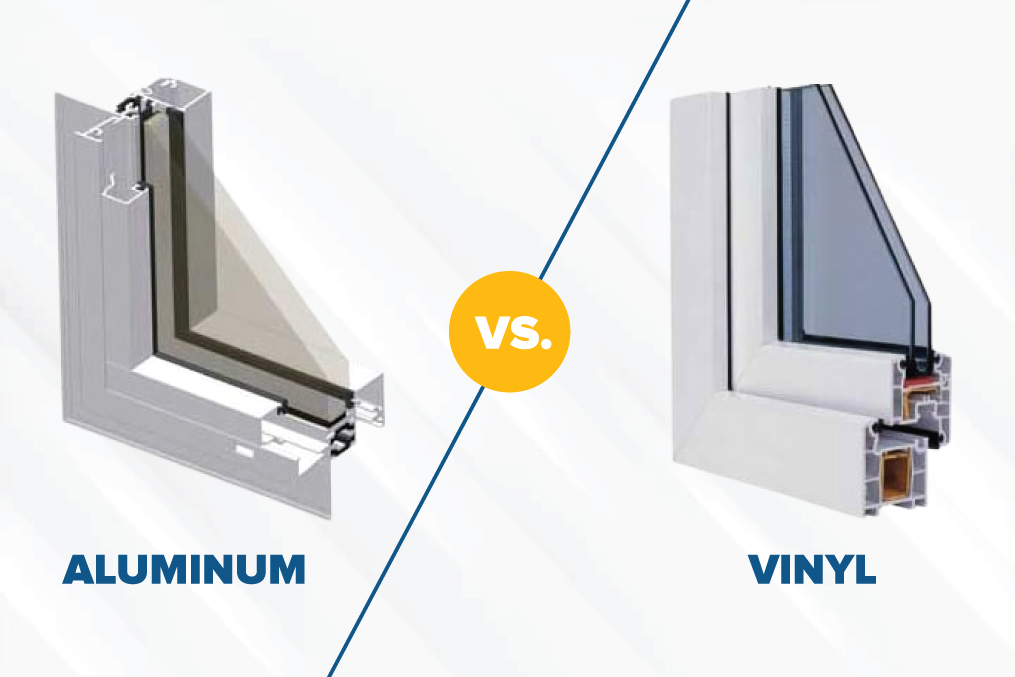 When it comes to recyclability, aluminum windows offer a sustainable and eco-friendly option for homeowners. Aluminum is a highly recyclable material that can be repurposed multiple times without losing its quality. This makes aluminum windows a popular choice for those looking to reduce their environmental impact.
Recycling Process of Aluminum Windows
The process of recycling aluminum windows involves collecting the old windows, separating them from other materials, and then melting down the aluminum to be reshaped into new products. This melting process requires significantly less energy compared to producing aluminum from raw materials, making it a more sustainable option.Comparison with Vinyl Windows
- Aluminum windows are more easily recyclable than vinyl windows. While vinyl can be recycled, the process is more complex and may not be as efficient as aluminum recycling. - Aluminum is a valuable material in the recycling industry and has a high market demand, incentivizing the recycling of aluminum windows. - The durability of aluminum also ensures that recycled aluminum can be used multiple times without losing its quality, making it a more sustainable choice in the long run.Environmental Benefits

Contribution to Sustainability
- Recycling windows contributes to sustainability by promoting a circular economy where materials are reused rather than discarded after a single use. This helps in reducing the extraction of raw materials and the energy consumption associated with manufacturing new products.
- By choosing recyclable window materials, we can lower the carbon footprint of buildings and homes, contributing to overall environmental sustainability.
- Recycling windows also helps in reducing greenhouse gas emissions associated with the production of new materials, further aiding in the fight against climate change.
Sustainable Practices in Window Material Choices
- Opting for energy-efficient windows made from recyclable materials like vinyl or aluminum helps in reducing energy consumption in buildings, leading to lower carbon emissions.
- Using recycled materials in window production, such as post-consumer recycled aluminum or vinyl, promotes a more sustainable approach to manufacturing and construction.
- Proper disposal and recycling of old windows at the end of their lifespan ensures that the materials are reused, minimizing environmental impact and promoting a more sustainable future.
Recycling Technologies
When it comes to recycling vinyl and aluminum windows, there are various technologies available to make the process more efficient and sustainable.
Vinyl Windows Recycling Technologies
One innovative technology for recycling vinyl windows is mechanical recycling, which involves grinding the old vinyl material into small pieces that can be used to create new products. Another method is chemical recycling, where the vinyl is broken down into its chemical components to be used in new materials.
Aluminum Windows Recycling Technologies
Aluminum windows can be recycled using traditional methods such as melting down the metal to create new aluminum products. However, advanced technologies like electrolysis are also being used to separate the aluminum from other materials more effectively.
Efficiency and Practicality
- Traditional recycling methods for vinyl windows may be more cost-effective, but they can be less energy-efficient compared to newer technologies like chemical recycling.
- Advanced technologies for aluminum window recycling, such as electrolysis, are more efficient in separating materials and require less energy than traditional melting processes.
- Overall, the efficiency and practicality of different recycling technologies depend on factors such as cost, energy consumption, and the quality of the recycled materials produced.
Summary
In conclusion, the discussion on Vinyl vs Aluminum Windows: Which Material Offers Better Recyclability? sheds light on the importance of choosing recyclable materials and embracing sustainable practices in window manufacturing. By considering the environmental benefits and recycling technologies available, individuals can make informed decisions that contribute to a greener future.
Essential Questionnaire
What is the recyclability of vinyl windows?
Vinyl windows are highly recyclable, as they can be melted down and used to create new products.
How does the recyclability of aluminum windows compare to vinyl windows?
Aluminum windows are also recyclable but require more energy to recycle compared to vinyl windows.
What are some examples of sustainable practices in window material choices?
Choosing windows made from recyclable materials, opting for energy-efficient designs, and supporting manufacturers with eco-friendly production processes are all examples of sustainable practices in window material choices.