Exploring the maintenance needs of vinyl versus aluminum windows, this article delves into the comparison with a focus on yearly upkeep. It aims to provide a comprehensive overview that highlights the differences and impact of weather conditions on maintenance tasks.
Additionally, it will discuss the durability, cleaning procedures, and environmental impact of both types of windows, offering valuable insights for homeowners looking to make an informed decision.
Vinyl vs Aluminum Windows
Vinyl and aluminum windows are popular choices for homeowners, but they differ in terms of maintenance requirements. Let's explore the key differences in maintenance needs between vinyl and aluminum windows, considering the impact of weather conditions on their upkeep.Maintenance Requirements
- Vinyl Windows:
- Regular cleaning with mild soap and water
- Occasional lubrication of hardware components
- No need for painting or staining
- Resistant to moisture and rot
- Aluminum Windows:
- Regular cleaning to prevent corrosion
- Application of protective coating to prevent oxidation
- Potential for dents or scratches requiring repair
- May require repainting to maintain appearance
Impact of Weather Conditions
Weather conditions play a significant role in the maintenance of vinyl and aluminum windows.- Vinyl Windows:
- Highly resistant to moisture, making them ideal for humid climates
- Less prone to fading or discoloration from sun exposure
- Aluminum Windows:
- Susceptible to corrosion in coastal areas with saltwater exposure
- May require more frequent maintenance in regions with extreme temperatures
Durability and Longevity
Vinyl and aluminum windows vary in terms of durability and longevity, impacting their overall performance and maintenance requirements. Let's delve into the comparison between the two materials in these aspects.Durability of Vinyl Windows vs. Aluminum Windows
When it comes to durability, vinyl windows are known for their resistance to moisture, which helps prevent rotting, rusting, and corrosion over time. On the other hand, aluminum windows are susceptible to corrosion, especially in coastal areas where salt exposure is high. This can lead to structural issues and decreased lifespan.- Vinyl windows are less likely to warp, crack, or fade over time compared to aluminum windows.
- Aluminum windows may require protective coatings to prevent corrosion, adding to maintenance needs.
Longevity of Vinyl Windows vs. Aluminum Windows
The longevity of windows is influenced by various factors, including material quality, installation, and maintenance practices. Vinyl windows generally have a longer lifespan compared to aluminum windows due to their resistance to environmental factors and minimal maintenance requirements.- Vinyl windows can last 20-40 years or more, depending on the quality of the material and installation.
- Aluminum windows may last around 15-30 years but require more frequent maintenance to prevent corrosion and other issues.
Factors Affecting Lifespan of Vinyl and Aluminum Windows
Several factors contribute to the lifespan of both vinyl and aluminum windows, including:- Quality of materials used in manufacturing
- Proper installation techniques
- Exposure to environmental elements
- Maintenance practices followed
Impact of Maintenance on Durability and Longevity
Regular maintenance plays a crucial role in preserving the durability and longevity of windows, regardless of the material. Proper cleaning, lubrication of moving parts, and inspection for damage can help extend the lifespan of both vinyl and aluminum windows.Regular maintenance can help identify issues early on and prevent costly repairs or replacements in the future.
Cleaning and Care
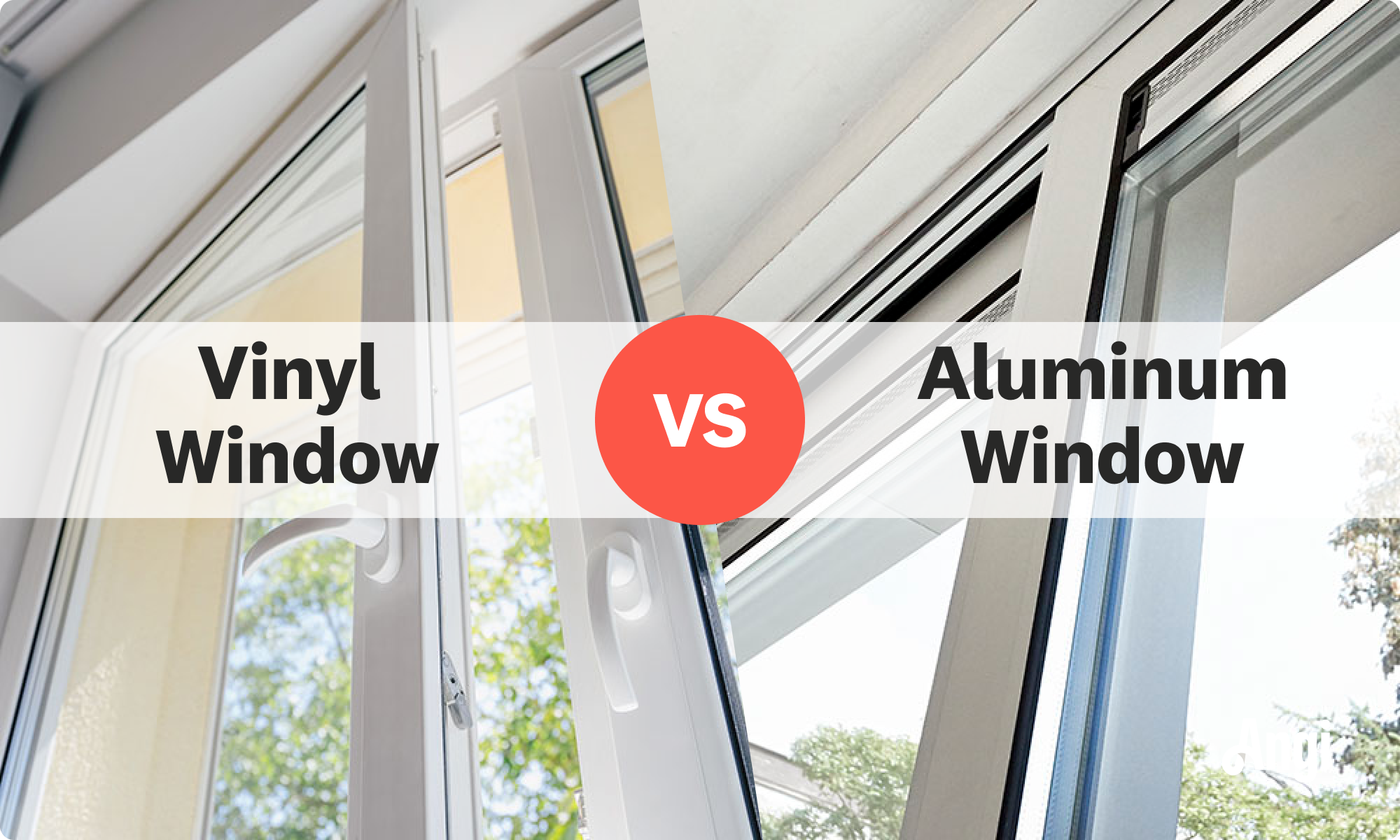 When it comes to maintaining the aesthetic appeal and functionality of your windows, proper cleaning and care are essential. Let's delve into the specific procedures for cleaning and caring for vinyl and aluminum windows, along with the necessary products, tools, and best practices to keep them looking their best.
Cleaning Vinyl Windows
- Begin by removing any loose dirt or debris from the window frame and glass using a soft brush or cloth.
- Mix a solution of mild dish soap and water, then apply it to the window with a soft sponge or cloth.
- Rinse the window thoroughly with clean water to remove all soap residue.
- Dry the window with a soft, lint-free cloth to prevent water spots.
Cleaning Aluminum Windows
- Start by vacuuming or wiping away any dirt or dust from the window frame and tracks.
- Prepare a solution of water and a gentle household cleaner, then apply it to the window using a soft sponge or cloth.
- Rinse the window with clean water and dry it with a clean towel to prevent streaks.
- For stubborn stains, use a non-abrasive cleaner specifically designed for aluminum surfaces.
Products and Tools
- For vinyl windows, you will need mild dish soap, water, soft sponges or cloths, and a squeegee for drying.
- For aluminum windows, gather water, a gentle household cleaner, soft sponges or cloths, and a non-abrasive cleaner for tough stains.
Best Practices for Maintenance
- Regularly clean your windows at least twice a year to prevent dirt buildup and maintain their appearance.
- Avoid using harsh chemicals or abrasive tools that can damage the window surfaces.
- Inspect the windows for any signs of damage or wear and address them promptly to prevent further issues.
Tips for Care
- Open and close the windows gently to prevent strain on the mechanisms.
- Keep the window tracks clean and lubricated to ensure smooth operation.
- Trim any nearby vegetation to prevent damage or scratches to the window frames.
Environmental Impact
Vinyl and aluminum windows have different environmental impacts in terms of maintenance. Let's explore how these factors contribute to sustainability and energy efficiency.Sustainability of Materials
The materials used in vinyl windows are known for their sustainability as they are made from PVC, a type of plastic that can be recycled. On the other hand, aluminum windows are also recyclable but require more energy for production compared to vinyl. This makes vinyl windows a more sustainable option in terms of material usage.Energy Efficiency and Maintenance
Vinyl windows are known for their energy efficiency due to their insulation properties, which can help reduce heating and cooling costs. Proper maintenance, such as sealing any gaps or cracks, can further enhance their energy efficiency. On the other hand, aluminum windows are less energy efficient as they conduct heat and cold easily. Regular maintenance, such as adding weather stripping, can help improve their energy efficiency.Reducing Environmental Footprint
Maintenance practices play a crucial role in reducing the environmental footprint of both vinyl and aluminum windows. By ensuring proper upkeep, such as cleaning, sealing, and repairing any damage promptly, the lifespan of the windows can be extended, reducing the need for replacements. This, in turn, can help minimize the overall environmental impact by reducing waste and energy consumption associated with manufacturing new windows.Final Wrap-Up

In conclusion, the discussion on Vinyl vs Aluminum Windows: Which Requires Less Yearly Maintenance? sheds light on the key factors influencing maintenance needs. By understanding these differences, homeowners can make informed choices to ensure the longevity and efficiency of their windows.
FAQ Summary
Do vinyl windows require more maintenance than aluminum windows?
Vinyl windows generally require less maintenance compared to aluminum windows as they do not corrode or rust.
What maintenance tasks are needed for aluminum windows?
Aluminum windows may require periodic painting to prevent corrosion and regular checks for any signs of rust.
Are vinyl windows more energy-efficient than aluminum windows?
Vinyl windows are known for their energy efficiency due to their insulation properties, which can help reduce energy costs over time.